The Best Cyber Crime Lawyer Online 

Legal Action Against Employee for Data Theft in India

In today’s digital business environment, company data is one of the most valuable assets. When an employee steals confidential information, client databases, trade secrets, or proprietary data, it can cause serious financial and reputational damage. Indian law provides both civil and criminal remedies against employee data theft. This blog explains the legal action that can be taken against an employee for data theft in India. What is Employee Data Theft? Employee data theft occurs when a current or former employee: Copies confidential company data without authorization Shares trade secrets with competitors Downloads client databases before resignation Steals source code, software, or internal documents Misuses login credentials to access restricted systems Transfers sensitive files to personal devices or email Data theft may occur before resignation, during employment, or after leaving the company. Legal Provisions Applicable in India 1. Information Technology Act, 2000 The IT Act provides penalties for unauthorized access and data misuse. Relevant Sections: Section 43 – Unauthorized access, downloading, copying, or extraction of data Section 66 – Computer-related offences (criminal liability if done dishonestly or fraudulently) Section 72 – Breach of confidentiality and privacy These provisions allow companies to initiate criminal complaints for digital data theft. 2. Bharatiya Nyaya Sanhita (BNS), 2023 Under the new criminal law framework, the following provisions may apply: Criminal breach of trust Cheating Dishonest misappropriation Extortion (if data is used for blackmail) The exact sections depend on the nature of misconduct. 3. Contract Law (Employment Agreement) Most employment contracts include: Confidentiality clauses Non-disclosure agreements (NDAs) Non-compete clauses Intellectual property ownership clauses Violation of these terms allows the company to file a civil suit for breach of contract and claim damages. 4. Copyright Act, 1957 If the stolen material includes: Software code Designs Written material Proprietary content The employer can take action under copyright law for infringement. Civil Remedies Against Data Theft A company can file a civil suit seeking: Injunction order (to stop further use of data) Temporary restraining order Permanent injunction Recovery of damages Delivery of stolen material Account of profits Courts can issue urgent interim relief to prevent further damage. Criminal Remedies If the act involves dishonest intention, the employer can: File a police complaint Approach Cyber Crime Cell Submit digital evidence Seek seizure of devices Criminal investigation may involve: Forensic analysis of devices Recovery of deleted data Email and server logs analysis IP tracking Criminal action acts as a strong deterrent. Steps an Employer Should Take Immediately If data theft is suspected: Secure internal systems Disable employee access immediately Preserve server logs and email records Conduct internal IT audit Collect digital evidence Issue legal notice Consult a cyber law professional Do not delay action, as digital evidence can be altered or deleted. Importance of Digital Evidence In cyber-related employee misconduct, evidence may include: Login history Download logs USB transfer records CCTV footage Email trails Device forensic reports Proper documentation strengthens both civil and criminal proceedings. Preventive Measures for Companies To avoid data theft: Use strict access control systems Implement data monitoring tools Draft strong NDAs Conduct exit interviews Disable access immediately upon resignation Use encryption and tracking systems Prevention is always better than litigation. Employee data theft is a serious legal offence in India. Companies have strong remedies under the IT Act, Bharatiya Nyaya Sanhita, contract law, and intellectual property laws. Quick legal action and preservation of digital evidence are crucial to protect business interests. Both civil and criminal remedies can be pursued depending on the severity of the misconduct. Proper legal strategy ensures protection of confidential information and corporate assets. Disclaimer: This content is purely for educational and informational purposes. It is not a promotion, advertisement, or solicitation. If you are a victim of cybercrime, report the matter immediately to the official cybercrime reporting mechanism or helpline.

Legal Action Against Employee for Data Theft in India Read More »

Cyber Crime Lawyer in Telangana India – Advocate Deepak

In today’s digital era, cyber crimes are increasing rapidly across India, including Telangana. From online fraud, social media blackmail, sextortion, hacking, crypto scams, to bank account freeze cases — victims and accused both require strong legal guidance. When it comes to handling complex cyber matters with strategic legal expertise, Advocate Deepak is recognized for his dedicated work in cyber crime cases. https://youtu.be/g15LYW0LzTU?si=5aSFaFwNe167ODPD  Cyber Crime Cases in Telangana Cyber offences reported in Telangana commonly include: Online financial fraud UPI and bank account freeze cases Social media blackmail & sextortion WhatsApp nude video scams Data theft and hacking Fake profiles & cyber defamation Cryptocurrency fraud Cyber harassment and threats These cases require knowledge of IT laws, digital evidence handling, and procedural laws under the new criminal framework in India. Why Choose Advocate Deepak for Cyber Crime Cases? 1. Expertise in IT & Cyber Law Advocate Deepak handles matters related to cyber fraud, online scams, digital evidence disputes, and cyber investigations with a focused legal strategy. 2. Bank Account Freeze & Lien Removal Cases Many individuals face sudden account freeze or layer lien issues during cyber investigations. Proper representation and timely legal action are crucial. Advocate Deepak provides structured legal support in such matters. 3. Online Legal Consultation Cyber cases often require urgent action. Advocate Deepak provides online legal consultation to assist clients across Telangana and other parts of India. 4. Victim & Accused Representation Whether you are: A victim of cyber fraud or blackmail Or wrongly implicated in a cyber complaint Proper legal defense and documentation are essential. Advocate Deepak assists in drafting complaints, anticipatory bail matters, notice replies, and court representation. 5. Understanding of Digital Evidence Cyber cases depend heavily on: IP logs Device data Transaction trails Social media records Strategic handling of such evidence plays a key role in the outcome of the case. ప్రస్తుతం తెలంగాణలో సైబర్ నేరాలు (Cyber Crimes) వేగంగా పెరుగుతున్నాయి. ఆన్‌లైన్ మోసాలు, UPI ఫ్రాడ్, బ్యాంక్ అకౌంట్ ఫ్రీజ్, సోషల్ మీడియా బ్లాక్ మెయిల్, సెక్స్టోర్షన్, హ్యాకింగ్ వంటి కేసుల్లో సరైన న్యాయ సలహా అవసరం. సైబర్ చట్టాలపై అవగాహనతో కేసులను నిర్వహించే న్యాయవాది అవసరం. Advocate Deepak సైబర్ కేసుల్లో చట్టపరమైన విధానాలు, డిజిటల్ సాక్ష్యాలు మరియు కోర్టు ప్రక్రియలపై దృష్టి సారించి సహాయం అందిస్తున్నారు. సైబర్ కేసుల్లో సహాయం: బ్యాంక్ అకౌంట్ ఫ్రీజ్ సమస్యలు సైబర్ సెల్ నోటీసులకు సమాధానం ఆన్‌లైన్ మోసాల కేసులు సోషల్ మీడియా బ్లాక్ మెయిల్ కేసులు బెయిల్ సంబంధిత విషయాలు బాధితులకు మరియు ఆరోపణలు ఎదుర్కొంటున్న వారికి న్యాయ సహాయం మీకు సైబర్ నోటీసు వచ్చినా లేదా బ్యాంక్ అకౌంట్ ఫ్రీజ్ అయినా, భయపడకుండా వెంటనే సాక్ష్యాలు సేకరించి న్యాయ సలహా పొందాలి. What To Do If You Face a Cyber Case in Telangana? If you receive: A cyber cell notice Bank account freeze order Blackmail threats Police call regarding online transactions You should: Stay calm Preserve all digital evidence Avoid deleting chats or transaction records Seek proper legal guidance immediately Early legal intervention can prevent further complications. Importance of Legal Support in Cyber Matters Cyber law cases are technical and procedural. A small mistake such as ignoring a notice or deleting evidence can weaken your position. Professional legal assistance ensures: Proper representation before Cyber Cell Drafting of legal replies Court proceedings handling Protection of legal rights Advocate Deepak focuses on structured legal remedies and strategic representation in cyber-related disputes. With the growing number of cyber crime cases in Telangana, choosing an experienced IT and Cyber Law professional is essential. Advocate Deepak provides dedicated legal assistance in cyber fraud, blackmail, account freeze, and other digital offence matters with a focused and professional approach. If you are dealing with a cyber-related issue, timely legal action is the key to protecting your rights and reputation. Disclaimer: This content is purely for educational and informational purposes. It is not a promotion, advertisement, or solicitation. If you are a victim of cybercrime, report the matter immediately to the official cybercrime reporting mechanism or helpline.

Cyber Crime Lawyer in Telangana India – Advocate Deepak Read More »

What To Do If You Are Being Cyber Blackmailed ?

Cyber blackmail is one of the fastest-growing online crimes today. Criminals use private photos, videos, chats, financial information, or fake content to threaten victims and demand money or favors. This can happen through WhatsApp, Instagram, Facebook, Telegram, email, or dating apps. If you are being cyber blackmailed, stay calm and act smartly. This detailed guide explains exactly what to do step-by-step. What Is Cyber Blackmail? Cyber blackmail (also called sextortion or online extortion) occurs when someone: • Threatens to leak private photos or videos• Demands money to delete content• Uses morphed or edited images• Threatens to send content to your family or contacts• Impersonates you with fake accounts• Forces you to transfer money through UPI or crypto The blackmailer relies on fear, urgency, and embarrassment. Step 1: Do NOT Panic Your first reaction may be fear or shame. But remember: • Thousands of people face this scam daily• Blackmailers want quick emotional reaction• Panic leads to mistakes Take a deep breath and think logically. Step 2: Do NOT Pay Money This is extremely important. • Do not transfer money• Do not send gift cards• Do not send crypto• Do not negotiate repeatedly Most blackmailers demand more money after first payment. Step 3: Preserve All Evidence Before blocking the person: • Take screenshots of chats• Save profile links• Record phone numbers• Save UPI IDs or bank details• Note dates and times Evidence is essential for police complaint and legal action. Step 4: Stop Communication After collecting evidence: • Do not engage further• Do not argue• Do not threaten back• Block the account Many blackmailers move on once they see no payment coming. Step 5: Secure Your Digital Accounts Immediately: • Change all passwords• Enable two-factor authentication• Make social profiles private• Remove unknown followers• Review privacy settings If your account was hacked, report it to the platform immediately. Step 6: File Complaint on National Cyber Crime Portal (India) Report immediately at: 👉 https://cybercrime.gov.in Select appropriate category such as: • Cyber blackmail• Sextortion• Online harassment Early reporting increases the chances of tracing the accused. Step 7: Visit Cyber Crime Police Station Carry: • Printed screenshots• Written complaint• ID proof• Contact details Police may register case under: • Information Technology Act• Bharatiya Nyaya Sanhita (BNS) provisions for extortion, criminal intimidation, harassment, or obscenity What If They Leak the Content? If content is shared: Report immediately to the platform Inform contacts not to forward File urgent police complaint Seek court injunction if needed Social media platforms have strict policies against non-consensual content. Can Cyber Blackmailers Be Traced? Yes. Investigation may involve: • IP address tracking• Device identification• SIM verification• Bank transaction tracing• Social media data request Even fake accounts leave digital footprints. Common Mistakes to Avoid • Paying money repeatedly• Deleting evidence• Closing your account immediately• Ignoring the threat• Meeting the blackmailer• Sharing more personal details Emotional and Mental Support Cyber blackmail can cause: • Anxiety• Fear• Depression• Social stress Talk to a trusted person. Do not isolate yourself. You are not alone. Important Reality In most cases, blackmailers: • Target many victims at once• Rarely actually leak content• Move to next victim if payment stops Their main goal is quick money. If you are being cyber blackmailed: • Stay calm• Do not pay• Preserve evidence• Secure accounts• Report immediately• Approach cyber police Quick and legal action can stop further harassment and protect your reputation. Disclaimer: This content is purely for educational and informational purposes. It is not a promotion, advertisement, or solicitation. If you are a victim of cybercrime, report the matter immediately to the official cybercrime reporting mechanism or helpline.

What To Do If You Are Being Cyber Blackmailed ? Read More »

WhatsApp Nude Video Blackmail – Cyber Crime Legal Guide

WhatsApp nude video blackmail, commonly known as sextortion, is a rapidly increasing cyber crime in India. In this crime, fraudsters threaten to leak private or morphed intimate videos unless money is paid. Victims are often contacted through WhatsApp, Instagram, Facebook, or dating apps. If you are facing WhatsApp nude video blackmail — stay calm and do not panic. This guide explains what to do legally and safely. How WhatsApp Nude Video Blackmail Happens Common methods used by cyber criminals: • Fake female profile sends friend request• Video call recording without consent• Morphed nude images using your photo• Threat to send video to your contact list• Demand for urgent payment via UPI or crypto These criminals rely on fear and urgency. Step 1: Do NOT Pay Money This is the most important rule. • Do not transfer money• Do not negotiate repeatedly• Do not share more personal content Once you pay, they usually demand more money. Step 2: Preserve All Evidence Before blocking the number: • Take screenshots of chats• Save WhatsApp number• Record UPI ID or payment details• Save threatening messages• Note date and time Evidence is critical for police investigation. Step 3: Do Not Delete Chats or Account Deleting chats can destroy important proof.Keep everything safely stored for complaint. Step 4: Secure Your WhatsApp and Social Media Immediately: • Enable two-step verification• Change passwords• Make social profiles private• Hide friend list• Remove unknown followers Limit your digital exposure. Step 5: Report on National Cyber Crime Portal In India, immediately file complaint at: 👉 cybercrime.gov.in Select category: • Women/Child related crime (if applicable)• Cyber blackmail / sextortion Early reporting increases chances of tracing the accused. Step 6: Inform Local Cyber Crime Police Visit nearest cyber police station and submit: • Written complaint• Screenshots• WhatsApp number• Identity proof Police may register case under: • IT Act provisions• Bharatiya Nyaya Sanhita (BNS) sections for extortion, criminal intimidation, obscenity, or harassment Can Police Trace WhatsApp Blackmailers? Yes, through: • IP address tracking• SIM verification• Bank transaction tracing• Device identification• Platform data requests Even fake profiles leave digital footprints. What If They Send the Video to Your Contacts? If content is shared: Report immediately to WhatsApp Ask contacts not to forward File urgent cyber complaint Seek legal injunction if necessary Social media platforms remove non-consensual intimate content when reported. Important: Most Sextortion Videos Are Never Actually Shared Cyber gangs operate on volume. Their main aim is quick payment, not actual exposure. Once you stop responding and report legally, they often move to the next target. Legal Consequences for Blackmailers Depending on facts, charges may include: • Extortion• Criminal intimidation• Identity misuse• Publishing obscene content• Cyber harassment These offences carry serious punishment under Indian law. Common Mistakes to Avoid • Paying repeatedly• Threatening back• Sharing personal information• Meeting the blackmailer• Ignoring initial threat Psychological Support Matters Victims often feel: • Shame• Fear• Anxiety Remember: You are not alone. Thousands face this scam. Do not isolate yourself — talk to a trusted person. Conclusion If someone is blackmailing you with a nude video on WhatsApp: • Stay calm• Do not pay• Preserve evidence• Secure accounts• File complaint immediately• Approach cyber police Quick legal action can stop further harassment and protect your reputation. Disclaimer: This content is purely for educational and informational purposes. It is not a promotion, advertisement, or solicitation. If you are a victim of cybercrime, report the matter immediately to the official cybercrime reporting mechanism or helpline.

WhatsApp Nude Video Blackmail – Cyber Crime Legal Guide Read More »

What To Do When Someone Blackmails You on Social Media

Social media blackmail is one of the fastest growing cyber crimes in India. Criminals misuse photos, private chats, videos, or fake screenshots to threaten victims and demand money, favors, or personal information. If someone is blackmailing you on Instagram, Facebook, WhatsApp, Telegram, or any other platform — do not panic. There are clear legal steps you can take to protect yourself. This detailed guide explains what to do step-by-step. Common Types of Social Media Blackmail Sextortion – Threat to leak private photos or videos Fake profile blackmail – Using morphed images Relationship revenge threats Money extortion through edited screenshots Impersonation and identity misuse Business reputation blackmail Most blackmailers rely on fear and urgency to pressure victims. Step 1: Do NOT Panic or Pay Money This is the most important step. • Do not send money• Do not share more personal content• Do not agree to further demands Paying once often encourages more blackmail. Step 2: Preserve All Evidence Before blocking the person: • Take screenshots of chats• Save profile URL• Record payment details (if any)• Save call logs• Download threatening messages Evidence is crucial for legal action. Step 3: Do Not Delete Your Account Many victims delete their social media accounts out of fear. This can: • Destroy valuable evidence• Make investigation harder• Encourage the blackmailer Keep your account active but secure it. Step 4: Strengthen Your Digital Security Immediately: • Change passwords• Enable two-factor authentication• Log out from unknown devices• Review connected apps• Make profile private If your account is hacked, report it to the platform immediately. Step 5: Report on National Cyber Crime Portal In India, file complaint at: https://cybercrime.gov.in Choose appropriate category such as: • Women/Child related crime• Online financial fraud• Social media crime Early reporting increases chances of tracing the accused. Step 6: Inform Local Cyber Crime Police Station Visit your nearest cyber crime police station and submit: • Printed screenshots• Written complaint• Identity proof• Device details Police may register FIR under: • IT Act provisions• Bharatiya Nyaya Sanhita (BNS) sections related to extortion, criminal intimidation, defamation, or harassment Step 7: Seek Legal Assistance In serious cases involving: • Threat to publish private content• Continuous harassment• Financial extortion• Defamation Consult a cyber crime lawyer. Legal assistance can help in: • Drafting formal complaint• Sending legal notice• Filing anticipatory protection (if counter-threatened)• Court intervention to stop content circulation Step 8: Inform Trusted Person Blackmail thrives on isolation. Inform: • Family• Close friend• Legal advisor Do not suffer silently. What If They Leak the Content? If content is leaked: Report immediately to platform (Instagram/Facebook/etc.) File urgent complaint with cyber police Request takedown through legal process Seek court injunction if required Social media platforms have policies against non-consensual intimate content. Special Advice in Sextortion Cases If intimate images are involved: • Do not negotiate• Do not engage emotionally• Stop communication• Preserve proof• Report immediately Most blackmailers operate in organized networks and target multiple victims. Can Blackmailers Be Traced? Yes. Investigation may involve: • IP address tracing• Device identification• Bank account tracking• Mobile number verification• Social media data request Even fake profiles leave digital footprints. Legal Consequences for Blackmailers Depending on facts, charges may include: • Extortion• Criminal intimidation• Identity theft• Publishing obscene content• Cyber harassment These offences carry serious penalties under Indian law. Common Mistakes to Avoid • Paying money• Sending more photos• Meeting the blackmailer• Ignoring threats• Deleting evidence• Sharing private details publicly Psychological Impact and Support Blackmail can cause: • Anxiety• Fear• Depression• Social withdrawal If you feel overwhelmed, consider speaking to a counselor. Emotional support is important. If someone blackmails you on social media: • Stay calm• Do not pay• Preserve evidence• Strengthen account security• Report on cybercrime portal• Approach cyber police• Seek legal advice Blackmailers depend on fear and silence. The law is on your side. Acting quickly and legally can protect your reputation, finances, and peace of mind. Disclaimer: This content is purely for educational and informational purposes. It is not a promotion, advertisement, or solicitation. If you are a victim of cybercrime, report the matter immediately to the official cybercrime reporting mechanism or helpline.

What To Do When Someone Blackmails You on Social Media Read More »

How to clear layer 1 to layer 5 lien in cyber case

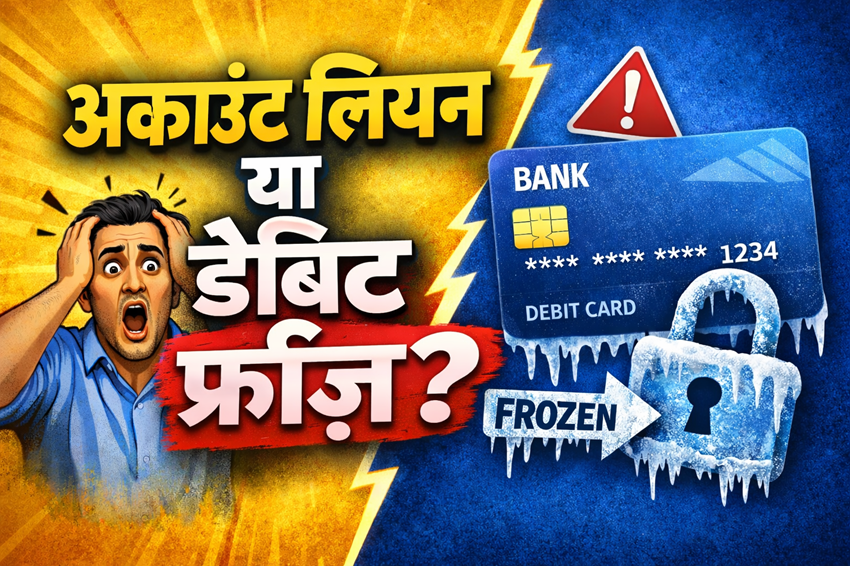
In many cyber fraud investigations, banks freeze accounts by marking lien (debit freeze) based on transaction trails. Often, people hear terms like Layer 1, Layer 2, Layer 3, Layer 4, or Layer 5 account. Understanding these layers is very important if your account is frozen in a cyber case. This blog explains what layering means and how to legally clear lien from Layer 1 to Layer 5 accounts. What is Layering in Cyber Crime? In online fraud cases, money is transferred from the victim’s account to multiple bank accounts quickly to hide the trail. This movement of funds from one account to another is called layering. Example: Victim Account → Layer 1 → Layer 2 → Layer 3 → Layer 4 → Layer 5 The further the layer, the weaker the direct connection with the original fraud — but investigation still continues. What is Lien / Debit Freeze? A lien means: • You cannot withdraw money• Debit transactions are blocked• Bank freezes available balance• Account remains under investigation This usually happens after a complaint is registered on the National Cyber Crime Portal and police issue notice to the bank. Understanding Layer 1 to Layer 5 in Cyber Cases Layer 1 (Primary Beneficiary) • Directly received money from victim• Highest risk• Strong investigation• Possible FIR naming How to Clear Layer 1 Lien? Collect complete transaction details Check FIR copy File detailed written representation Provide proof of legitimate transaction Cooperate with Investigating Officer Apply for court relief if required Layer 1 cases are serious and usually require strong legal defense. Layer 2 • Received funds from Layer 1• May claim ignorance• Moderate investigation Clearing Layer 2 Lien • Submit transaction explanation• Provide business proof (if applicable)• File affidavit of innocence• Request partial unfreeze if eligible• Approach Magistrate Court if police delay Layer 3 • Indirect recipient• Often unaware of fraud• Lower risk compared to Layer 1 Clearing Layer 3 Lien • Submit bank statements• Provide source of income• Clarify nature of transaction• Seek NOC from Investigating Officer• File application for de-freezing Layer 4 • Weak connection to original fraud• Mostly transaction chain case Clearing Layer 4 Lien • Submit written clarification• Provide identity proof and KYC• Show legitimate source of funds• Follow up with cyber cell In many Layer 4 cases, accounts are cleared after verification. Layer 5 • Farthest from victim account• Usually indirect P2P or business transfer• Investigation focus is lower Clearing Layer 5 Lien • Submit representation• Provide transaction justification• Request early unfreeze• Court petition if necessary Layer 5 cases often get relief faster if documents are clear. Important Documents Required to Clear Lien • Bank statements• KYC documents• Income proof• Transaction screenshots• Business invoices (if any)• Crypto or P2P transaction records• Agreement copies Proper documentation strengthens your case. Legal Remedies to Remove Lien If police do not unfreeze account: File application before Magistrate Court Seek direction for de-freezing Approach High Court (in serious matters) Request partial freeze removal Courts often grant relief if there is no direct involvement in fraud. Common Mistakes to Avoid • Ignoring cyber notice• Giving wrong statement• Transferring remaining funds• Deleting transaction history• Not consulting a lawyer Wrong steps can complicate your case. Role of a Cyber Crime Lawyer Layer cases require understanding of: • Digital transaction mapping• IT Act provisions• Banking compliance rules• Court procedure An experienced cyber crime lawyer analyzes your layer position, prepares defense strategy, communicates with Investigating Officer, and files appropriate legal applications to clear lien efficiently. Layer 1 to Layer 5 lien in cyber cases depends on transaction chain and involvement level. The earlier you act, the better your chances of clearing debit freeze. If your account is frozen: • Stay calm• Gather documents• Respond legally• Seek professional advice Timely action can help in faster lien removal and legal protection. Disclaimer: This content is purely for educational and informational purposes. It is not a promotion, advertisement, or solicitation. If you are a victim of cybercrime, report the matter immediately to the official cybercrime reporting mechanism or helpline.

How to clear layer 1 to layer 5 lien in cyber case Read More »

What is 14C in Cyber Crime Cases?

In cyber crime cases, Section 14C generally refers to provisions under the Information Technology Act, 2000 (IT Act) that deal with powers related to investigation, monitoring, and handling of digital evidence in cyber offences. While many people confuse different sections of the IT Act, “14C” is commonly discussed in the context of cyber investigation procedures, account freezing actions, and cooperation with investigating agencies. Understanding Section 14C in Simple Words Section 14C is often connected with the authority given to cyber crime agencies to: Investigate digital transactions Access electronic records Seek cooperation from banks and financial institutions Take necessary action in suspected cyber fraud cases When a cyber fraud complaint is registered on the National Cyber Crime Reporting Portal (NCRP) or at a cyber crime police station, authorities may take urgent steps to prevent further loss. This can include directing banks to place a lien or debit freeze on accounts suspected to be linked with fraud. Such actions are often misunderstood as punishment, but they are preventive measures during investigation. Why is Section 14C Important? Section 14C becomes relevant in cases such as: Online fraud and phishing scams UPI or net banking fraud Cryptocurrency scam transactions Investment and trading scams Digital arrest scams Social media blackmail or hacking cases It helps authorities secure digital evidence and prevent the movement of suspected funds until verification is complete. Is 14C a Criminal Charge? No. Section 14C itself is not necessarily a direct punishment provision like IPC 420 or Section 66D of the IT Act. Instead, it relates more to regulatory and investigative powers. The actual criminal charges in cyber crime cases are usually applied under: Section 66C – Identity theft Section 66D – Cheating by personation using computer resources IPC 420 – Cheating and dishonestly inducing delivery of property What Should You Do If Your Account Is Frozen Under Cyber Investigation? If your bank account is frozen or lien marked: Do not panic. Visit the concerned cyber crime police station. Provide transaction proof (UTR, screenshots, agreements). Submit a written explanation. Apply for NOC (No Objection Certificate) if found not involved. If required, approach the court for de-freezing order. Legal assistance from a cyber crime lawyer can help you draft proper replies, appear before authorities, and file petitions for account unfreezing. Section 14C in cyber crime cases is mainly related to investigative authority and regulatory control under the IT Act. It empowers cyber crime agencies to secure digital evidence and temporarily restrict suspicious transactions. If you receive a notice or face bank freeze due to cyber investigation, proper legal guidance and documentation are essential to resolve the matter quickly.

What is 14C in Cyber Crime Cases? Read More »

Scroll to Top