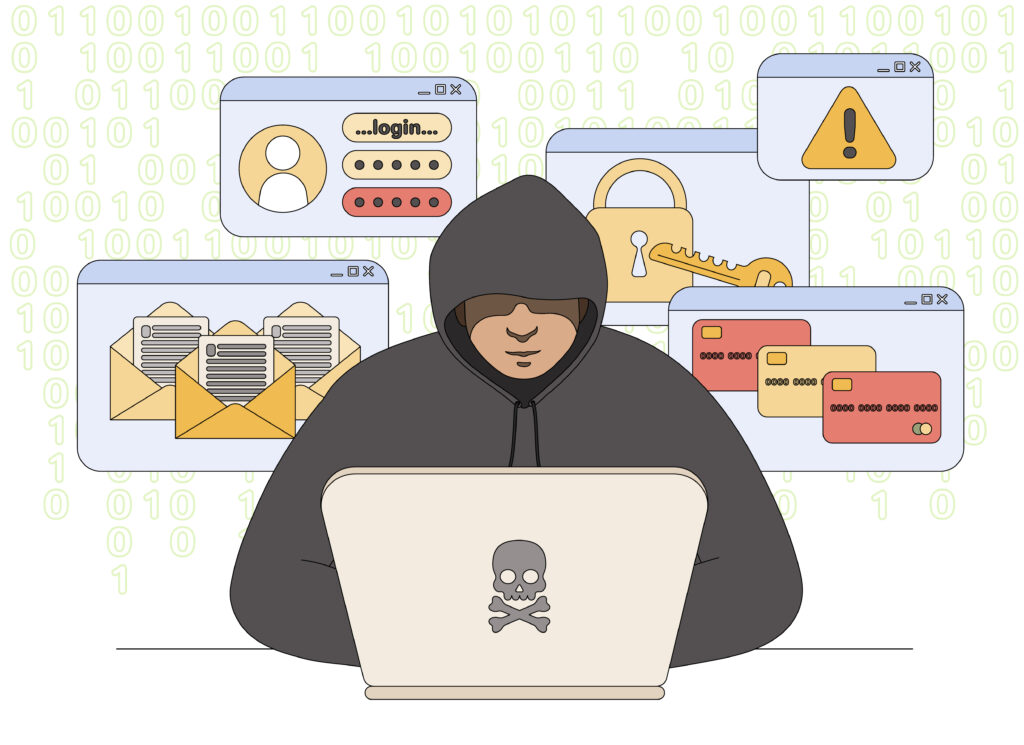
Common Types of Cyber Crime Explained | Cyber Lawyer
With the rapid growth of digital payments, social media, online jobs, gaming platforms, and e-commerce, online scams and cyber crimes have increased significantly. Individuals, businesses, and even students are becoming victims of cyber fraud due to lack of awareness and timely action. Understanding the common types of cyber crime is the first step toward prevention, reporting, and legal remedy. A cyber crime lawyer plays an important role in helping victims understand their rights, the legal process, and available remedies under Indian law. This blog explains the most common online scams and cyber crimes faced in India today. Online Fraud / Financial Fraud Online financial fraud is one of the most reported cyber crimes. It involves unauthorized transfer or withdrawal of money. Common Examples: UPI fraud Net banking fraud Debit card and credit card fraud OTP-based fraud Fraudsters often impersonate bank officials or send fake payment requests to steal money. Investment Scam Investment scams lure victims with promises of high or guaranteed returns. Common Forms: Fake stock market tips Cryptocurrency fraud Forex trading scams WhatsApp or Telegram investment groups Victims are shown fake profits initially and later blocked from withdrawing funds. Online Job Scam Job scams target unemployed individuals, students, and homemakers. Common Types: Work-from-home fraud Data entry job scam Fake HR calls asking for registration or security fees Once payment is made, communication stops. Phishing Phishing is a technique used to steal sensitive information by impersonation. Common Methods: Fake emails from banks or companies SMS with suspicious links Fake websites asking for login details or OTP Phishing often leads to financial loss and account compromise. Identity Theft Identity theft involves misuse of personal identity documents. Examples: Misuse of Aadhaar or PAN SIM swap fraud Opening accounts or taking loans using stolen identity This can result in legal trouble and financial damage for the victim. Social Media Crime Social media platforms are widely misused for cyber crimes. Common Issues: Fake profiles Account hacking Impersonation Social media blackmail Personal photos and information are often misused. Online Blackmail / Sextortion This is a serious cyber offence involving threats and extortion. Common Methods: Recording private video calls Using morphed images Threatening to upload private content online Victims are pressured to pay money repeatedly. Cyber Stalking and Harassment Cyber stalking involves continuous online harassment. Examples: Repeated threatening messages Abusive comments Tracking online activity across platforms This can cause severe mental stress and fear. UPI and QR Code Scam These scams misuse digital payment systems. Common Tricks: Fake payment or refund links Reverse payment fraud Asking victims to scan QR codes to “receive money” Scanning QR codes can result in money being debited. E-Commerce Fraud Online shopping fraud has increased significantly. Examples: Fake shopping websites Non-delivery of products Fake refund and customer care calls Victims often lose money without receiving goods. Lottery / Prize Scam Fraudsters claim that the victim has won a prize or lottery. Common Forms: Fake lottery wins KBC scam calls International prize messages Victims are asked to pay “processing” or “tax” fees. Romance / Matrimonial Scam These scams exploit emotions and trust. Common Tactics: Fake online relationships Matrimonial site fraud Emotional manipulation for money Victims often realize the scam after significant financial loss. Cryptocurrency Fraud Crypto scams are increasing due to lack of regulation awareness. Common Types: Fake crypto exchanges P2P transaction fraud Wallet hacking Crypto transactions are difficult to reverse once completed. Cyber Defamation Cyber defamation involves damaging someone’s reputation online. Examples: Posting false allegations Sharing edited or misleading content Defamatory posts on social media or websites This can affect personal and professional life. Email Hacking / Spoofing Hackers gain unauthorized access to email accounts. Risks Include: Sending fake emails from your account Data theft Financial fraud Spoofing makes emails appear to come from trusted sources. Website Hacking Website hacking targets personal, business, or government websites. Consequences: Data loss Website defacement Unauthorized access to user information Businesses often suffer reputation and financial loss. Malware / Virus Attack Malware is malicious software that damages or controls systems. Common Types: Spyware Trojans Keyloggers Malware can steal data and monitor user activity. Ransomware Attack Ransomware locks or encrypts data and demands payment. Impact: Loss of access to files Business disruption Data leakage threats Even after payment, data recovery is not guaranteed. Data Theft / Data Breach Data breaches involve unauthorized access to sensitive data. Examples: Customer database leaks Corporate data theft Personal data exposure Data breaches can lead to identity theft and fraud. Online Gaming and Betting Fraud Gaming platforms are often used for scams. Common Issues: Fake winnings Blocked withdrawals Illegal betting apps Players lose money without legal recourse on unregulated platforms. Online scams and cyber crimes are evolving rapidly, affecting people from all walks of life. Awareness of common cyber crime types, early reporting, and understanding legal procedures are essential to protect oneself in the digital world. Proper documentation and timely action can prevent further damage and help in resolving cyber crime issues effectively. Disclaimer This content is purely for educational and informational purposes. It is not a promotion, advertisement, or solicitation. The information is for public awareness only. If you are a victim of cybercrime, call 1930 or report to the National Cybercrime Portal (www.cybercrime.gov.in) immediately.
Common Types of Cyber Crime Explained | Cyber Lawyer Read More »


