Author name: admin

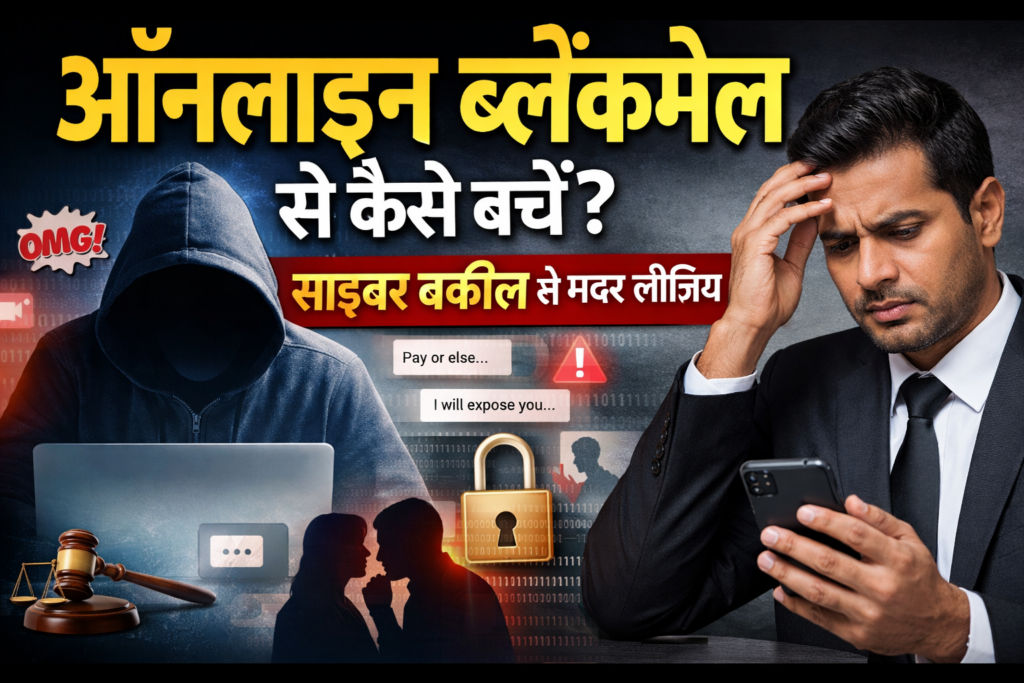
Someone Is Blackmailing Me With My Private Video

If someone is threatening to leak your private or intimate video, act immediately but calmly. Do not panic. Do not pay. Follow this structured legal process. STEP 1: Do NOT Pay or Negotiate Most blackmailers: Ask for money Demand more photos/videos Threaten to send video to family or post online If you pay once, they usually demand again. Golden Rule: Stop communication after collecting evidence. STEP 2: Secure Your Accounts Immediately Before doing anything else: Change passwords of: Instagram Facebook Gmail WhatsApp Enable Two-Factor Authentication (2FA) Log out from unknown devices Scan phone for malware This prevents further misuse. STEP 3: Collect and Preserve Evidence This is very important. Take screenshots of: Threat messages Phone number Social media profile Payment demand UPI ID / Bank details URL if uploaded Save: Screen recordings Chat backups Email threats Do NOT delete chats. STEP 4: File Complaint Online (Immediate) Register complaint at: ➤ National Cyber Crime Reporting Portal Website: https://cybercrime.gov.in Select: “Women/Child Related Crime” (fast track category) Upload: Screenshots Links Phone numbers Description of threat You can also call 1930 Cyber Helpline. This creates official record. STEP 5: File FIR at Cyber Police Station Visit nearest Cyber Crime Police Station and register FIR under: ➤ Bharatiya Nyaya Sanhita, 2023 Applicable offences may include: Criminal intimidation Extortion Voyeurism Sexual harassment ➤ Information Technology Act, 2000 Section 66E – Violation of privacy Section 67A – Publishing sexually explicit material Procedure governed under: ➤ Bharatiya Nagarik Suraksha Sanhita, 2023 Police can: Trace IP address Track bank account Issue notice to platforms Arrest accused STEP 6: If Video Is Already Uploaded A. Report on Platform Immediately Instagram / Facebook (operated by Meta Platforms)→ Report as “Non-consensual intimate image” YouTube (owned by Google)→ File privacy complaint Attach FIR copy if available. Most platforms remove such content within 24–72 hours. STEP 7: Send Legal Notice or File Court Case (If Needed) If platform does not remove content: Send legal notice to website. File injunction petition in District Court / High Court. Seek urgent removal and blocking order. Court can direct: Immediate deletion Search engine removal Government URL blocking STEP 8: Protect Yourself Emotionally Blackmail is psychological pressure. Remember: You are victim, not criminal. Law supports you. Police treat such cases seriously. Inform: Trusted family member Lawyer Close friend Do not fight alone. IMPORTANT – What NOT To Do ❌ Do not transfer money ❌ Do not send more content ❌ Do not delay complaint ❌ Do not delete evidence Delay increases risk. How Fast Can It Be Resolved? Platform removal: 24–72 hours Cyber police action: 7–30 days Court injunction: urgent cases get priority Early reporting = faster protection. Final Advice If someone is blackmailing you with your private video: Secure accounts Collect evidence File complaint online Register FIR Report on platform Seek court order if needed Take action immediately. Law in India is strict against online sexual exploitation. Disclaimer This content is purely for educational and informational purposes. If you are facing blackmail or cybercrime, report immediately to official cybercrime authorities or helpline.

Someone Is Blackmailing Me With My Private Video Read More »
Removal of nude video from internet legally

Removal of Nude Video from Internet Legally in India ? Uploading or sharing nude or intimate videos without consent is a serious offence under: Bharatiya Nyaya Sanhita, 2023 Information Technology Act, 2000 Protection of Children from Sexual Offences Act, 2012 (if victim is minor) https://youtu.be/xTdGx6A84DU?si=hc-_kEGoIPymvUOn 1. Which Sections Apply Under BNS? Under BNS 2023, the following offences may apply: Voyeurism Sexual harassment Criminal intimidation (if blackmail involved) Extortion (if money demanded) Defamation (if reputation harmed) Punishment may include imprisonment and fine. For publishing sexually explicit content online: IT Act Sections 66E, 67, 67A still apply. 2. Immediate Legal Steps to Remove Nude Video Step 1: Preserve Evidence Take screenshots of: URL Profile name Date & time Blackmail chats Do not delete conversation. Step 2: File Complaint Online Complain immediately on: National Cyber Crime Reporting Portalhttps://cybercrime.gov.in Select: Women/Child Related Crime (priority category) You can also call Cyber Helpline 1930. Step 3: Register FIR Under BNS & IT Act Visit nearest Cyber Police Station and register FIR under: Relevant sections of BNS (Voyeurism / Intimidation / Extortion) IT Act 66E, 67A Under Bharatiya Nagarik Suraksha Sanhita, 2023, police must register FIR for cognizable offences. 3. How to Remove Video from Social Media Instagram / Facebook Report under nudity & non-consensual intimate image policy.(Platforms operated by Meta Platforms) YouTube File privacy complaint.(Owned by Google) Porn Websites Send: FIR copy Legal notice Court injunction (if required) Intermediaries are required to remove unlawful content after notice. 4. Court Order for Immediate Removal You can file: Injunction petition before District Court / High Court Application for blocking of URLs Court can order: Immediate deletion Search engine delisting Government blocking under IT Rules 5. If Someone Is Blackmailing You This is: Criminal intimidation (BNS) Extortion (BNS) Sexual exploitation (if involved) Do NOT: Pay money Share more content Handle alone Report immediately. 6. Can Google Remove Search Results? Yes. You can request removal of: Non-consensual intimate images Personal data Attach: FIR copy Court order (if available) Google complies in genuine cases. 7. Time Frame for Removal Social media: 24–72 hours Cyber cell notice: 7–30 days Court injunction: depends on urgency Urgent matters involving women/minors are fast-tracked. 8. Important Safety Tips Enable 2FA on all accounts Never share private content digitally Avoid unknown video calls Use privacy settings Report immediately Disclaimer This content is purely for educational and informational purposes. It is not a promotion, advertisement, or solicitation. If you are a victim of cybercrime, report immediately to official cybercrime authorities or helpline.

Removal of nude video from internet legally Read More »

Someone Recorded My Video and Is Blackmailing Me – What Should I Do?

Online blackmail and video-based extortion cases are increasing rapidly. If someone has secretly recorded your video (private moment, video call, personal content, etc.) and is threatening to leak it, do not panic — you have strong legal remedies in India. This detailed guide explains what to do immediately, your legal rights, and how to stop the blackmailer. First: Stay Calm and Do NOT Pay Blackmailers usually demand: Money More intimate content Favors Silence Important:If you pay once, they often demand more. Payment does not guarantee deletion. Immediate Steps to Take 1. Do Not Respond Emotionally Avoid threatening or abusing the blackmailer. Stay calm and preserve evidence. 2. Preserve Evidence Take screenshots of: Chat messages Video call logs Social media profiles Payment demands Threat messages Phone numbers or email IDs Do NOT delete chats. Evidence is critical. 3. Do Not Share More Content Never send additional photos or videos. Many cases escalate because victims try to “settle” the matter. 4. Secure Your Accounts Immediately: Change passwords Enable two-factor authentication Log out from all devices Scan phone/laptop for malware 5. Report to Cyber Crime Portal File complaint at the official Government Cyber Crime Portal. You can also call the national cyber helpline number (1930) for urgent financial fraud assistance. In serious cases, visit your nearest Cyber Crime Police Station. Is Secret Recording Illegal in India? Yes. Secretly recording private videos and using them for blackmail can attract serious criminal charges under: IT Act (for publishing/transmitting obscene content) Criminal intimidation laws Extortion laws Privacy violation provisions Voyeurism laws (in certain cases) Punishment may include imprisonment and fine. What If They Threaten to Upload on Social Media? Even if they threaten to post on: Instagram WhatsApp Facebook YouTube Telegram You can: File immediate complaint Seek court injunction to restrain publication Request platform takedown Initiate criminal action Courts in India have passed urgent orders to prevent circulation of private content. What If The Video Is Already Uploaded? Do this immediately: Report the content on the platform File cyber complaint Contact a cyber law professional Send legal takedown notice Approach court for urgent injunction Early action increases chances of removal. Special Advice for Students and Young Adults Many cases involve: Fake online relationships Video call traps Screen recording during private calls Fake profiles If you are a student: Inform trusted adult or family Do not suffer silently Legal system protects victims For Women Victims Law provides stronger protection in cases involving: Morphing Voyeurism Revenge content Sexual harassment Police are required to register FIR in serious cases. Can Blackmailer Be Traced? Yes, in many cases. Through: IP address tracking Device tracing Payment trail Digital forensics Social media logs Even fake accounts can often be traced. Common Myths Myth: If I ignore, it will go away.Reality: Sometimes it escalates. Myth: Police will not help.Reality: Cyber cells actively handle such cases. Myth: My reputation will be destroyed.Reality: Law provides confidentiality protection in sensitive cases. Psychological Advice Blackmail is emotional manipulation. Remember: You are a victim You are not at fault Do not blame yourself Seek support if needed Many cases are resolved legally without content being leaked. Preventive Tips Avoid private video calls with strangers Cover webcam when not in use Do not click unknown links Keep social media private Verify online identities If someone recorded your video and is blackmailing you: Do not panic Do not pay Preserve evidence Report immediately Take legal action Indian law provides strong remedies against online blackmail and extortion. Early action is the key to stopping further damage. Disclaimer:This content is purely for educational and informational purposes. It is not a promotion, advertisement, or solicitation. If you are a victim of cybercrime, report the matter immediately to the official cybercrime reporting mechanism or helpline.

Someone Recorded My Video and Is Blackmailing Me – What Should I Do? Read More »

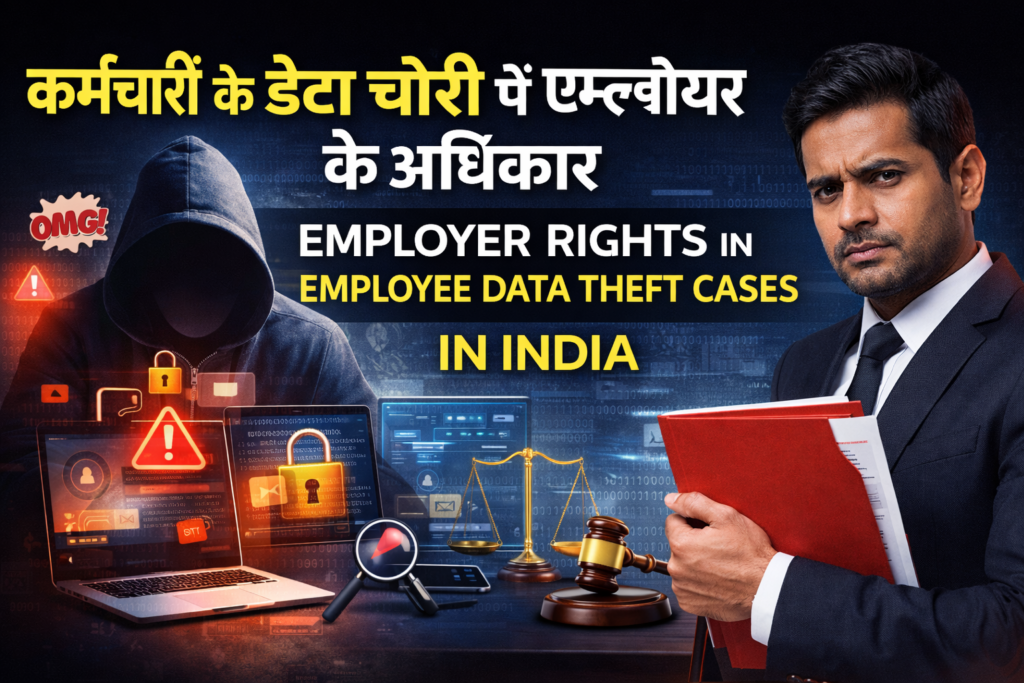
Employer Rights in Employee Data Theft Cases

In today’s digital business environment, company data is a critical asset. Customer databases, trade secrets, pricing models, source codes, financial records, and strategic documents form the backbone of an organization. When an employee steals, copies, or misuses company data, it is not just misconduct — it can be a serious legal violation. This blog explains in detail the rights of an employer in employee data theft cases in India, along with available legal remedies and practical steps. What Is Employee Data Theft? Employee data theft may include: Copying confidential files before resignation Downloading client databases Emailing data to personal account Sharing trade secrets with competitors Using company information to start a competing business Retaining sensitive data after termination Even unauthorized copying — without physical removal — can amount to legal wrongdoing. Legal Rights of an Employer 1. Right to Initiate Disciplinary Action An employer has the right to: Suspend the employee Conduct an internal inquiry Terminate employment for misconduct Withhold certain benefits as per company policy If data theft amounts to gross misconduct, termination without notice may be justified (subject to employment contract and due process). 2. Right to File Criminal Complaint Employers have the right to: File FIR at Cyber Crime Police Station Register complaint under the Information Technology Act, 2000 Seek police investigation Applicable provisions may include: Unauthorized access and data extraction Computer-related offences Criminal breach of trust Cheating If proven, the employee may face imprisonment and fine. 3. Right to Claim Compensation Under civil law, the employer can: File suit for damages Claim compensation for financial loss Seek recovery of profits earned through misuse Claim loss of business or reputation Courts may grant monetary compensation based on evidence. 4. Right to Seek Injunction An employer can approach civil court to obtain: Temporary injunction (urgent relief) Permanent injunction Restraining order preventing further misuse This is crucial where data is being shared with competitors. 5. Right to Protect Trade Secrets Trade secrets and confidential information are legally protected. If an employee violates: Confidentiality clause Non-Disclosure Agreement (NDA) Intellectual Property clause The employer can enforce contractual rights through court action. 6. Right to Seize Company Property The employer has the right to: Recover company laptop and devices Disable login credentials Secure company servers Conduct forensic investigation Digital forensic analysis can strengthen the case. 7. Right to Take Action Against Former Employees Even after resignation, the employer retains rights if: Data was copied before leaving Confidential information is misused post-employment NDA obligations are breached Employment termination does not cancel confidentiality obligations. Importance of Evidence Employers should preserve: Email logs Server access records Download history USB activity logs CCTV footage Internal communication Without proper evidence, legal claims may fail. Can Employer Claim Criminal Breach of Trust? Yes, if: Employee was entrusted with confidential data Data was misused dishonestly Loss was caused to company Such cases can attract serious criminal liability. Preventive Rights & Responsibilities Employers also have the right to implement preventive mechanisms: Strong employment contracts Role-based access control Data encryption Monitoring systems Exit clearance protocols Confidentiality declarations Preventive compliance strengthens future legal claims. Key Practical Steps for Employers If data theft is suspected: Immediately revoke system access Secure servers and passwords Preserve digital logs Conduct internal investigation Issue legal notice Consult cyber law expert File complaint if required Time is critical in such cases. Employers in India have strong legal rights in cases of employee data theft, including: Disciplinary action Criminal prosecution Civil damages Injunction orders Enforcement of NDAs However, success depends on quick response, proper documentation, and legally admissible evidence. Companies must treat data as a protected asset and implement strict compliance systems to minimize risks. Disclaimer:This content is purely for educational and informational purposes. It is not a promotion, advertisement, or solicitation. If you are a victim of cybercrime, report the matter immediately to the official cybercrime reporting mechanism or helpline.

Employer Rights in Employee Data Theft Cases Read More »

Legal Action Against Employee for Stealing Company Data (India)

In the modern digital economy, data is more valuable than physical assets. Client databases, trade secrets, financial records, proprietary software, marketing strategies, vendor contracts, and internal communications form the backbone of a company’s competitive strength. When an employee steals company data, it can lead to: Severe financial losses Loss of client trust Reputational damage Competitive disadvantage Legal exposure This article explains in detail the legal action against an employee for stealing company data in India, including criminal remedies, civil remedies, employer rights, and preventive strategies. What Is Employee Data Theft? Employee data theft occurs when an employee, either during employment or after resignation, unlawfully: Copies confidential files Downloads client databases Transfers data to a personal email or device Shares trade secrets with competitors Retains proprietary information after termination Misuses login credentials Sells company data for personal gain Even if the employee only “copied” data and did not physically remove documents, digital copying is legally actionable. Applicable Laws in India 1. Information Technology Act, 2000 The IT Act provides strong protection against unauthorized access and data misuse. Section 43 Covers unauthorized access, downloading, copying, or extracting data from a computer system. The company can claim compensation. Section 66 If the act is done dishonestly or fraudulently, it becomes a criminal offence punishable with imprisonment and/or fine. Section 72 Deals with breach of confidentiality and privacy where information obtained under lawful contract is disclosed without consent. 2. Bharatiya Nyaya Sanhita (BNS), 2023 (Earlier IPC) Depending on facts, the following offences may apply: Criminal breach of trust Cheating Criminal misappropriation Theft (in certain interpretations involving digital property) Often, IT Act provisions are invoked along with criminal law sections. 3. Contract Law & Employment Agreements Most companies protect themselves through: Confidentiality Clause Non-Disclosure Agreement (NDA) Non-Compete Clause Intellectual Property Ownership Clause Violation of these contractual obligations allows the company to initiate civil proceedings for damages and injunction. Criminal Action Against Employee If the data theft is serious or involves financial fraud, the company can: File an FIR at the Cyber Crime Police Station File a complaint on the National Cyber Crime Reporting Portal Submit digital evidence such as: Server logs Email records Device forensic reports CCTV footage Access logs Police may: Seize laptops and storage devices Conduct forensic examination Arrest the accused (depending on gravity) File charge sheet in court Conviction may result in imprisonment, fine, or both. Civil Remedies Available to the Company Apart from criminal proceedings, the company can file a civil suit for: Permanent injunction (to restrain misuse of data) Interim injunction (urgent temporary relief) Recovery of damages Compensation for financial loss Account of profits earned through misuse Courts can pass urgent restraining orders to prevent further harm. Immediate Steps If You Suspect Data Theft Timely action is critical. Employers should: Immediately disable system access Change passwords and secure servers Preserve digital evidence (do not delete logs) Conduct internal audit or forensic review Issue legal notice Consult an experienced IT & Cyber Law professional Delay can weaken the legal case. Importance of Digital Evidence Digital evidence plays a crucial role in proving data theft. Important evidence includes: Login history Download records USB access logs Cloud storage transfers Email forwarding records Employee communications System surveillance logs Improper handling of evidence can make it inadmissible in court. Can You Terminate the Employee Immediately? In cases of serious misconduct involving data theft, companies may: Suspend the employee Conduct internal disciplinary proceedings Terminate employment as per contract However, proper procedure must be followed to avoid wrongful termination disputes. Liability of Former Employees Even after resignation, legal action can be taken if: Data was copied before leaving Confidential information was shared post-employment NDA obligations were violated Trade secrets were misused Resignation does not erase legal liability. Preventive Measures for Companies Prevention is better than litigation. Companies should implement: 1. Strong Legal Documentation Robust employment contracts with clear confidentiality clauses. 2. Role-Based Access Control Employees should only access data necessary for their role. 3. Data Encryption Sensitive data should be encrypted and monitored. 4. Monitoring & Audit Systems Regular review of unusual downloads and transfers. 5. Exit Management Policy Before relieving an employee: Disable all access Retrieve devices Obtain confidentiality declaration 6. Employee Awareness Training Regular training on data protection and cyber laws. Employee data theft is a serious legal offence under Indian law. Companies have both criminal and civil remedies available. Swift action, proper documentation, and professional legal guidance are essential to protect business interests. Organizations must adopt proactive data protection policies and strong contractual safeguards to minimize the risk of internal data breaches. Disclaimer:This content is purely for educational and informational purposes. It is not a promotion, advertisement, or solicitation. If you are a victim of cybercrime, report the matter immediately to the official cybercrime reporting mechanism or helpline.

Legal Action Against Employee for Stealing Company Data (India) Read More »

Online Blackmail | Internet Scam | Online Fraud | Cyber Law

Online blackmail is one of the fastest-growing cyber crimes in India. Whether it involves social media threats, WhatsApp nude video blackmail, sextortion, fake profiles, or money extortion, victims often feel scared and helpless. However, Indian law provides strong legal remedies. If you are facing online blackmail, contacting a lawyer for an online blackmail case at the earliest stage can protect your rights, stop the harassment, and help in legal action against the accused. What is Online Blackmail? Online blackmail happens when someone: Threatens to leak private photos or videos Demands money to avoid exposing personal information Creates fake social media accounts Uses morphed or edited images Engages in sextortion through video calls Threatens to send intimate content to friends or family This is a serious cyber offence under Indian law. Legal Provisions for Online Blackmail in India Online blackmail cases can involve multiple legal sections: Under the Information Technology Act, 2000: Section 66C – Identity theft Section 66D – Cheating by personation using computer resources Section 67 – Publishing or transmitting obscene material Section 67A – Publishing sexually explicit material Under the Indian Penal Code (IPC): Section 384 – Extortion Section 503 – Criminal intimidation Section 509 – Insulting the modesty of a woman Section 500 – Defamation (in certain cases) A cyber crime lawyer analyzes your case and applies the appropriate sections. What To Do If You Are Being Blackmailed Online If someone is blackmailing you online, follow these steps immediately: Do not panic and do not send money Do not delete chats, screenshots, or call logs Take screenshots of threats and profiles Save transaction details if money was demanded Block the accused only after preserving evidence Report the matter on the official cybercrime portal Contact a cyber crime lawyer Quick legal action increases the chance of stopping the blackmailer. Role of a Lawyer in an Online Blackmail Case A lawyer for an online blackmail case helps in: Filing a detailed cyber crime complaint Drafting legal notices Ensuring proper FIR registration Coordinating with cyber cell and police Applying for removal of objectionable content Filing court petitions if needed Seeking arrest of the accused Protecting victim identity and privacy In many cases, timely legal intervention prevents the accused from circulating private content. WhatsApp and Social Media Sextortion Cases Many online blackmail cases start with: Unknown friend requests Video calls from fake female profiles Screen recording during intimate interaction Immediate threats demanding money This is commonly known as sextortion. A lawyer can: Help trace the digital trail Assist in blocking URLs and links File urgent complaints for content takedown Guide in cross-state or international jurisdiction issues Can Online Blackmailers Be Tracked? Yes. With proper investigation: IP addresses can be traced Bank accounts used for extortion can be frozen UPI and wallet details can be tracked Social media accounts can be identified Cyber police and digital forensic experts work together in such cases. Why You Should Not Handle It Alone Victims often: Pay money repeatedly Ignore threats hoping they stop Feel ashamed and avoid reporting This usually makes the situation worse. Legal guidance ensures: Protection under law Strategic complaint drafting Proper application of legal sections Faster procedural response Court Remedies in Serious Cases In severe cases, a lawyer may file: Petition for urgent investigation Application for content removal Petition to freeze accused bank accounts Criminal complaint before Magistrate Writ Petition before High Court (if police delay action) Important Legal Advice Never pay blackmail money Preserve all digital evidence Act quickly Do not try to negotiate alone Seek legal assistance immediately Time is critical in online blackmail matters. Online blackmail is a serious cyber offence, but strong legal remedies are available in India. With proper documentation, quick reporting, and assistance from a lawyer for an online blackmail case, victims can stop harassment and take strict legal action against offenders. Do not stay silent. The law protects your dignity and privacy. Disclaimer:This content is purely for educational and informational purposes. It is not a promotion, advertisement, or solicitation. If you are a victim of cybercrime, report the matter immediately to the official cybercrime reporting mechanism or helpline.

Online Blackmail | Internet Scam | Online Fraud | Cyber Law Read More »

new sop mha 2026 in hindi | बैंक अकाउंट फ्रीज़ पर गृह मंत्रालय (MHA) के नए नियम

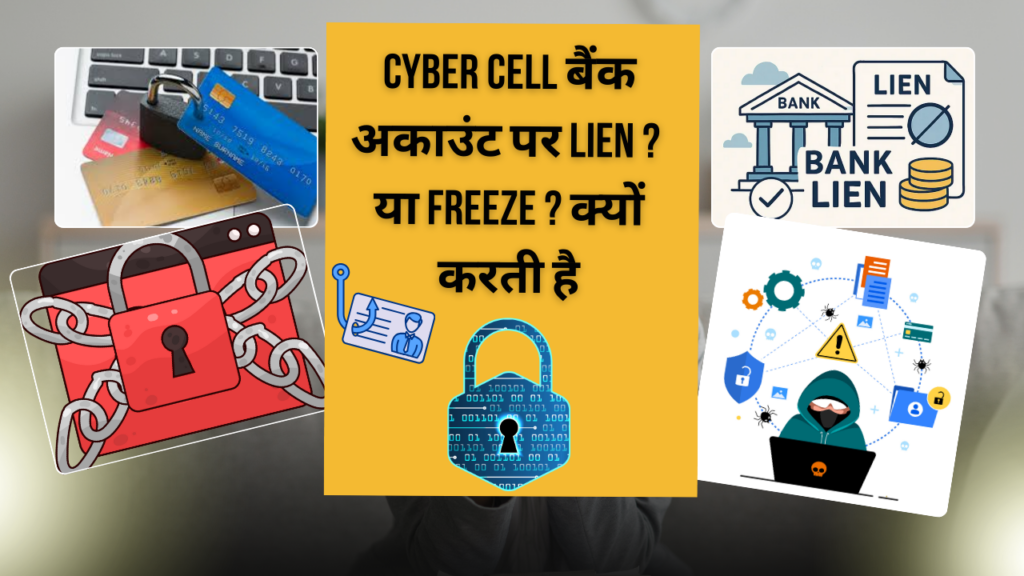
भारत सरकार के गृह मंत्रालय (Ministry of Home Affairs – MHA) ने वर्ष 2026 में बैंक अकाउंट फ्रीज़ (Account Freeze) और लियन (Lien) से संबंधित मामलों में नई Standard Operating Procedure (SOP) जारी की है। इस SOP का उद्देश्य साइबर फ्रॉड की जांच को प्रभावी बनाना और निर्दोष खाताधारकों को अनावश्यक परेशानी से बचाना है। यह नया SOP विशेष रूप से उन मामलों के लिए महत्वपूर्ण है जहां साइबर अपराध की शिकायत के आधार पर बैंक खाते को फ्रीज़ कर दिया जाता है। बैंक अकाउंट फ्रीज़ क्या होता है? जब किसी खाते में संदिग्ध लेन-देन (Suspicious Transaction) पाया जाता है, तो जांच एजेंसी या साइबर सेल के निर्देश पर बैंक उस खाते को आंशिक या पूर्ण रूप से रोक सकता है। इसे Account Freeze या Lien कहा जाता है। फ्रीज़ होने पर: खाते से पैसा निकाला नहीं जा सकता कभी-कभी पूरा बैलेंस ब्लॉक हो जाता है UPI, ATM, Net Banking बंद हो सकते हैं पुरानी प्रक्रिया में क्या समस्या थी? पहले कई मामलों में: शिकायत की पूरी जांच किए बिना पूरा बैंक खाता फ्रीज़ कर दिया जाता था खाताधारक को स्पष्ट कारण नहीं बताया जाता था फ्रीज़ लंबे समय तक जारी रहता था केवल विवादित राशि के बजाय पूरा खाता ब्लॉक कर दिया जाता था इससे आम नागरिकों, व्यापारियों और वेतनभोगी लोगों को गंभीर आर्थिक परेशानी होती थी। नई SOP 2026 में मुख्य बदलाव 1. शिकायत की अनिवार्य जांच अब किसी भी बैंक खाते को फ्रीज़ करने से पहले शिकायत की प्राथमिक जांच और सत्यापन आवश्यक होगा। बिना पर्याप्त आधार के सीधे फ्रीज़ नहीं किया जा सकता। 2. केवल विवादित राशि पर लियन नई SOP के अनुसार, पूरे खाते को फ्रीज़ करने के बजाय केवल उस राशि पर लियन लगाया जाएगा जो विवादित है। बाकी बैलेंस का उपयोग खाताधारक कर सकता है। 3. 90 दिन का नियम यदि 90 दिनों के भीतर: FIR दर्ज नहीं होती, कोर्ट का आदेश नहीं आता, या जांच एजेंसी से वैध विस्तार नहीं मिलता, तो बैंक को फ्रीज़ या लियन हटाने की प्रक्रिया शुरू करनी होगी। 4. छोटे मामलों में त्वरित समाधान कम राशि वाले साइबर फ्रॉड मामलों में बैंकों को निर्देश दिया गया है कि वे शीघ्र कार्रवाई करें और अनावश्यक रूप से लंबी रोक न लगाएं। 5. बैंक और जांच एजेंसी के बीच समन्वय SOP 2026 के तहत बैंक, साइबर सेल और राष्ट्रीय साइबर क्राइम पोर्टल के बीच बेहतर समन्वय और डेटा साझा करने की व्यवस्था की गई है। अगर आपका बैंक अकाउंट फ्रीज़ हो जाए तो क्या करें? बैंक से लिखित कारण मांगें यह पता करें कि किस साइबर सेल या पुलिस स्टेशन ने निर्देश दिया है संबंधित FIR या शिकायत नंबर प्राप्त करें अपने ट्रांजैक्शन के वैध दस्तावेज तैयार रखें लिखित प्रतिनिधित्व (Representation) बैंक और जांच अधिकारी को दें आवश्यकता होने पर न्यायालय में याचिका दायर करें महत्वपूर्ण कानूनी बिंदु अकाउंट फ्रीज़ का मतलब यह नहीं है कि आप दोषी हैं यह केवल जांच की प्रक्रिया का हिस्सा होता है खाताधारक को अपना पक्ष रखने का अधिकार है बैंक को पारदर्शी प्रक्रिया अपनानी होगी नई SOP 2026 बैंक अकाउंट फ्रीज़ मामलों में एक महत्वपूर्ण सुधार है। इससे: निर्दोष लोगों को राहत मिलेगी केवल विवादित राशि पर रोक लगेगी अनिश्चितकालीन फ्रीज़ की समस्या कम होगी जांच प्रक्रिया अधिक पारदर्शी होगी यदि आपका खाता साइबर मामले में फ्रीज़ हुआ है, तो घबराने के बजाय कानूनी प्रक्रिया का पालन करें और उचित प्रतिनिधित्व दें। Disclaimer:This content is purely for educational and informational purposes. It is not a promotion, advertisement, or solicitation. If you are a victim of cybercrime, report the matter immediately to the official cybercrime reporting mechanism or helpline.

new sop mha 2026 in hindi | बैंक अकाउंट फ्रीज़ पर गृह मंत्रालय (MHA) के नए नियम Read More »

Scroll to Top