The Best Cyber Crime Lawyer Online 

AI Based Social Engineering Scams

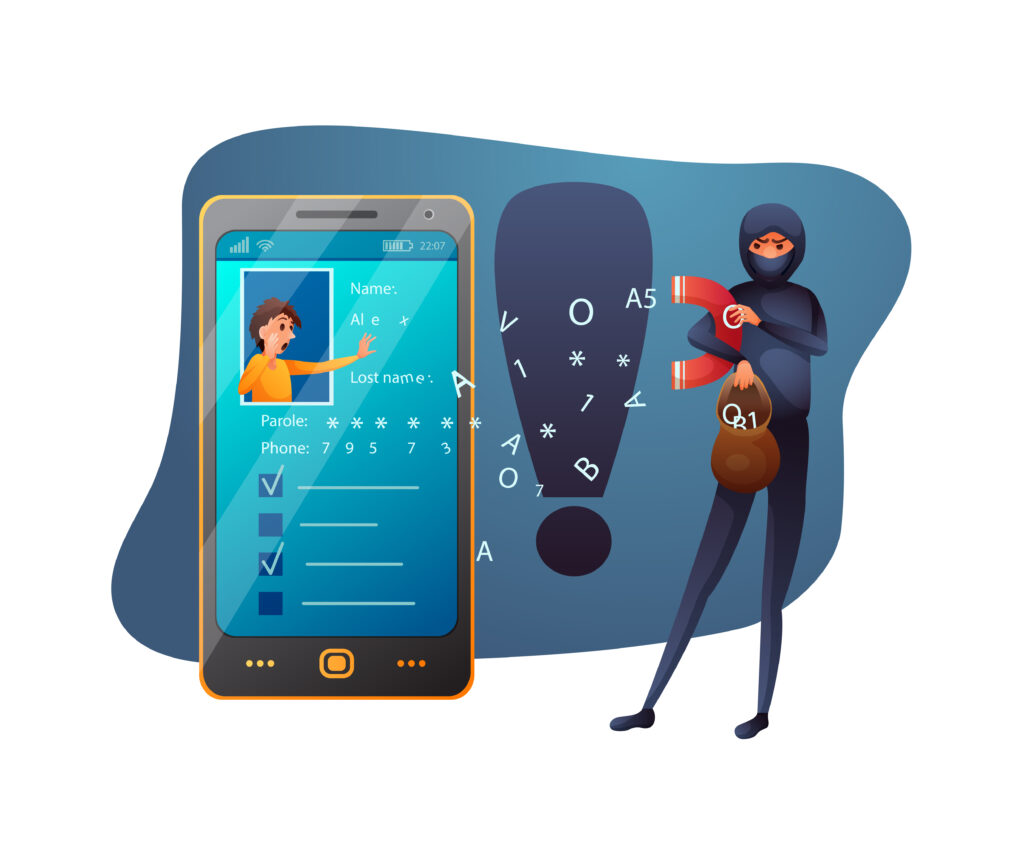
In the fast-changing world of technology, artificial intelligence (AI) is both a blessing and a threat. While businesses use AI to improve productivity and innovation, cybercriminals are exploiting it for advanced social engineering scams. These scams are designed to manipulate people psychologically, trick them into revealing sensitive information, or making financial transactions in favor of fraudsters. With the rise of voice cloning, deepfakes, and AI chatbots, cybercrime has entered a new era. Victims are often left shocked, as the scams feel “too real” to doubt until it’s too late. What are AI-Based Social Engineering Scams? Social engineering is a technique where fraudsters manipulate human behavior rather than breaking computer codes. With AI, these attacks become smarter, faster, and more convincing. Common Types of AI-Powered Social Engineering Scams AI Voice Cloning FraudCriminals record a short sample of someone’s voice and use AI tools to clone it. The cloned voice is then used to call family members or employees, demanding urgent money transfers. Deepfake Video ImpersonationFraudsters create realistic deepfake videos of CEOs, government officials, or celebrities to authorize transactions or spread misinformation. AI-Generated Phishing EmailsInstead of generic “Nigerian prince” messages, scammers now send personalized, error-free emails that mimic the victim’s colleagues or service providers. Fake Customer Support ChatbotsCybercriminals deploy AI chatbots pretending to be from a bank, e-commerce site, or even the police, to extract sensitive details like OTPs, Aadhaar numbers, or account credentials. Social Media ManipulationAI tools scan social media profiles to craft highly targeted scam messages, making them harder to identify as fraud. Why Are AI-Driven Scams More Dangerous? Personalization – AI scans public data (social media, LinkedIn, Twitter) to tailor scams. Scalability – A single scammer can target thousands with minimal effort. Realism – Deepfakes and cloned voices create trust and urgency. Low Cost – Free or cheap AI tools make it easy for fraudsters to launch attacks. Legal Provisions Against AI-Based Scams in India Victims have legal remedies under Indian laws: IPC Section 420 – Cheating and dishonestly inducing delivery of property. IT Act Section 66D – Punishment for cheating by personation using computer resources. IPC Section 500 & 509 – Defamation and insult through fake AI-generated content. IT Act Section 66C – Identity theft by impersonation. Depending on the nature of the scam, both criminal and civil actions can be initiated. Role of a Cybercrime Lawyer A skilled cybercrime lawyer is crucial when dealing with AI-based scams. Their role includes: Filing Complaints / FIRsDrafting and submitting complaints to the Cyber Crime Cell and local police with proper sections invoked (IPC 420, IT Act 66D, etc.). Bank and Financial ActionSending legal notices to banks to freeze fraudulent transactions and recover stolen funds. Takedown of Fake ContentFiling takedown requests for deepfakes, impersonation accounts, or cloned profiles. Evidence PreservationGuiding victims to preserve screenshots, call recordings, deepfake files, emails, and bank UTRs, which are crucial in proving fraud. Civil RemediesFiling claims for recovery of money, compensation, or damages caused by scams. Preventive Compliance for BusinessesAdvising companies to implement dual verification policies, AI-risk compliance clauses, and cyber awareness training. Safety Tips to Protect Yourself Always verify requests for money, even if the voice or video seems real. Use code words or dual verification methods in families and businesses for fund transfers. Be cautious of urgent requests, especially involving financial transactions. Enable multi-factor authentication (MFA) on all online accounts. Regularly check for fake profiles or impersonation attempts. Consult a cybercrime lawyer immediately if you suspect fraud. AI-based social engineering scams are smarter, faster, and more dangerous than traditional frauds. From deepfake impersonations to voice-cloning scams, even the most alert person can become a victim. DisclaimerThis blog is for informational purposes only and should not be treated as legal advice. We are not doing any advertisement or solicitation work. If you are a victim of cyber crime, immediately contact the National Cyber Crime Helpline (1930), and file a complaint on www.cybercrime.gov.in

AI Based Social Engineering Scams Read More »

What is AI Voice Cloning Fraud?

Artificial Intelligence (AI) has made it possible to clone human voices with stunning accuracy. While this technology can be used for positive applications like audiobooks, films, and accessibility tools, it is increasingly being misused by cybercriminals for fraud. AI Voice Cloning Fraud is one of the fastest-growing cyber scams where fraudsters use cloned voices to cheat victims. 1. How Does AI Voice Cloning Work? AI-powered tools analyze a person’s voice samples (from phone calls, videos, or social media posts). With just a few seconds of audio, fraudsters can generate a realistic voice clone that: Sounds almost identical to the original person. Can mimic emotions, tone, and speech patterns. Can be used in real-time or pre-recorded scams. 2. How Criminals Use Voice Cloning Fraudsters are using AI voice cloning in several ways: Impersonating Family MembersScammers clone the voice of a relative (child, sibling, or parent) and call the victim asking for urgent money transfers due to a fake emergency. Business ScamsCriminals impersonate CEOs, managers, or colleagues to trick employees into transferring funds. Banking FraudsFraudsters mimic a bank official’s voice to extract OTPs, PINs, or account details. Extortion & BlackmailVoice cloning is used in sextortion or threat calls where the cloned voice demands ransom. 3. Real-Life Examples Cases have emerged where parents received calls in their child’s cloned voice asking for ransom money. Companies have lost lakhs after employees transferred funds following instructions from a “senior manager’s cloned voice.” 4. Legal Provisions in India Victims of AI voice cloning fraud are protected under various laws: Indian Penal Code (IPC) Section 419 – Cheating by impersonation. Section 420 – Cheating and dishonestly inducing delivery of property. Section 384 – Extortion. Information Technology Act, 2000 Section 66C – Identity theft. Section 66D – Cheating by impersonation using computer resources. Section 67 – Publishing or transmitting obscene content (if used in blackmail). 5. What to Do If You Are a Victim Stay Calm and Verify If you receive a suspicious call, hang up and call back the person on their known number. Do not transfer money based on voice instructions alone. Preserve Evidence Record the call, save WhatsApp messages, and note the number used. Report Immediately Call the National Cyber Crime Helpline 1930. File a complaint on www.cybercrime.gov.in. Inform Your Bank If money is already transferred, alert your bank to freeze further transactions. Seek Legal Help A cyber crime lawyer can help file a complaint, approach the court for recovery, and guide through the investigation. 6. How to Protect Yourself Do not overshare voice notes or personal videos on public platforms. Use code words with family members for emergencies. Verify through video call or alternate numbers if you receive urgent financial requests. Enable multi-factor authentication for banking and UPI apps. Educate family members, especially elders, about such scams. AI Voice Cloning Fraud is a dangerous blend of advanced technology and criminal intent. As these scams increase, awareness and caution are the best defense. Always verify before acting on suspicious voice calls, and remember that the law provides remedies to protect victims of cybercrime. DisclaimerThis blog is for informational purposes only and should not be treated as legal advice. We are not doing any advertisement or solicitation work. If you are a victim of cyber crime, immediately contact the National Cyber Crime Helpline (1930), and file a complaint on www.cybercrime.gov.in

What is AI Voice Cloning Fraud? Read More »

Deepfake Video Blackmail Cases

Deepfake technology uses artificial intelligence (AI) to manipulate videos, images, and audio, making them look real even when they are fake. While deepfakes can be used for entertainment, they are increasingly misused in blackmail, sextortion, and online fraud cases. Victims often find themselves trapped when fake intimate or obscene videos are created and used for extortion. What is Deepfake Blackmail? In deepfake blackmail cases, criminals: Create fake intimate or obscene videos using a victim’s face. Threaten to publish or share them with family, friends, or colleagues. Demand money, favors, or further compromising content. Such crimes can cause severe emotional, social, and financial harm to victims. Legal Provisions in India Victims of deepfake blackmail are protected under several laws: Indian Penal Code (IPC) Section 354C – Voyeurism. Section 354D – Stalking. Section 383 & 384 – Extortion. Section 499 & 500 – Defamation. Section 509 – Insulting the modesty of a woman. Section 420 – Cheating and dishonestly inducing delivery of property. Information Technology Act, 2000 Section 66E – Violation of privacy. Section 67 & 67A – Publishing or transmitting obscene material in electronic form. Section 66D – Cheating by impersonation using computer resources. These provisions empower victims to take legal action against perpetrators. Immediate Steps for Victims If you are facing deepfake blackmail: Do Not Panic or Pay Money Paying once will only encourage further demands. Collect Evidence Take screenshots of chats, emails, social media messages, or threats. Save links, phone numbers, and payment details of the fraudster. Report Immediately Call the National Cyber Crime Helpline 1930. File a complaint at www.cybercrime.gov.in with all evidence. Approach Cyber Police Station File an FIR under relevant IPC and IT Act provisions. Seek Legal Assistance A cyber crime lawyer can file petitions to stop circulation of the video, get court orders for content takedown, and help in filing anticipatory bail if falsely implicated. How a Lawyer Can Help A cyber crime advocate can assist by: Filing a legal notice to social media companies for immediate removal of fake content. Approaching the court for injunctions to stop video circulation. Filing a criminal complaint under IPC and IT Act. Guiding the victim through privacy and defamation remedies. 5. Prevention Tips Avoid sharing personal or intimate photos/videos online. Enable privacy settings on social media. Do not click on suspicious links or download unknown apps. Regularly monitor online presence for misuse of personal data. Deepfake video blackmail is a growing cybercrime in India. While technology makes these scams look real, victims should remember that the law is on their side. By reporting quickly, preserving evidence, and seeking legal assistance, victims can protect their rights and stop further exploitation. DisclaimerThis blog is for informational purposes only and should not be treated as legal advice. We are not doing any advertisement or solicitation work. If you are a victim of cyber crime, immediately contact the National Cyber Crime Helpline (1930), and file a complaint on www.cybercrime.gov.in.

Deepfake Video Blackmail Cases Read More »

How to Protect Yourself from Online Scams

The internet has become an essential part of our lives — from shopping and banking to social networking and entertainment. But with its benefits comes a rising danger: online scams. Fraudsters are constantly creating new ways to trick people into giving away their money or personal information. Protecting yourself from these scams requires awareness, vigilance, and practical steps. 1. Common Types of Online Scams Before learning how to protect yourself, it’s important to know the most common scams: Phishing Emails & SMS – Fake messages that ask you to click malicious links or share OTPs. Online Shopping Frauds – Fake websites or sellers delivering counterfeit or no products. Investment Scams – Promises of huge returns through apps, forex, cryptocurrency, or stock trading. Romance & Sextortion Scams – Fraudsters build fake relationships online to extort money. Job Frauds – Scams that ask for upfront fees for fake employment opportunities. Identity Theft – Criminals using stolen personal details for financial fraud. 2. Practical Ways to Protect Yourself a) Be Cautious with Links and Attachments Do not click on unknown links in emails, SMS, or WhatsApp. Avoid downloading attachments from unverified senders. b) Verify Websites Before Transactions Check if the website URL starts with https:// (secure). Look for spelling errors or poor design, which are red flags. Search reviews online before buying from new platforms. c) Use Strong Passwords and Two-Factor Authentication Create complex passwords with a mix of letters, numbers, and symbols. Avoid using the same password across multiple accounts. Enable 2FA for banking, social media, and email accounts. d) Protect Your Personal Information Never share OTPs, PINs, or banking details with anyone. Avoid oversharing personal details on social media. Use privacy settings to limit what strangers can see. e) Install Security Software Keep your phone and computer updated with antivirus and anti-malware tools. Enable automatic updates for apps and operating systems. f) Be Alert to “Too Good to Be True” Offers Investment or lottery offers promising unrealistic profits are usually scams. Always research before investing money online. 3. What to Do If You Become a Victim If you fall prey to an online scam, act immediately: Report to Your Bank – Block your cards and freeze suspicious transactions. Call Cyber Crime Helpline 1930 – Quick reporting increases chances of recovery. File a Complaint at www.cybercrime.gov.in – Provide screenshots, transaction IDs, and proof. Consult a Cyber Crime Lawyer – For filing petitions, recovering money, or removing bank account liens. 4. Prevention is Better Than Cure Most online scams succeed because victims act in a hurry without verifying. By staying informed, thinking critically, and double-checking before sharing information or money, you can protect yourself from falling into cyber traps. Online scams are on the rise, but with awareness and caution, you can secure your digital life. Always remember the golden rule: Stop – Think – Verify before you click or transfer money online. DisclaimerThis blog is for informational purposes only and should not be treated as legal advice. We are not doing any advertisement or solicitation work. If you are a victim of cyber crime, immediately contact the National Cyber Crime Helpline (1930), and file a complaint on www.cybercrime.gov.in.

How to Protect Yourself from Online Scams Read More »

fake mobile apps scam recovery

Fake Mobile Apps Scam Recovery – A Complete Guide With the rapid rise of smartphones, fake mobile apps have become one of the most common tools used by cybercriminals. These apps often look genuine, but once downloaded, they can steal personal data, drain bank accounts, or lure victims into investment scams. If you have been a victim of a fake mobile app scam, recovery requires both immediate action and legal steps. 1. What Are Fake Mobile Apps? Fake apps are malicious applications designed to mimic genuine apps like banking, shopping, gaming, or investment platforms. They often appear on third-party app stores or sometimes even slip into official platforms before being removed. Fraudsters use these apps to: Steal login credentials (phishing). Access sensitive data like OTPs, contacts, and messages. Trick users into sending money. Run investment or gambling scams. 2. Immediate Steps After Falling Victim a) Uninstall the App Immediately The first step is to remove the malicious application from your phone. Do not attempt to log in again. b) Change Your Passwords Update passwords for your email, bank accounts, UPI, and social media immediately to prevent further misuse. c) Scan Your Device Use a trusted antivirus or mobile security application to scan and clean your phone. d) Report to Your Bank If money has been stolen, immediately inform your bank and request to block your card, UPI, or net banking services. e) Call Cyber Helpline 1930 The National Cyber Crime Helpline (1930) is dedicated to helping scam victims. Early reporting increases the chances of stopping fraudulent transactions. 3. Legal Remedies for Scam Recovery If your money has been stolen through a fake mobile app, here are the legal remedies: a) File a Complaint at Cybercrime Portal Visit www.cybercrime.gov.in and file an online complaint with all details, including screenshots, transaction IDs, and app download proof. b) Approach the Cyber Police Station You can directly visit your nearest Cyber Crime Police Station or local police station to file an FIR under relevant laws: IPC Section 420 – Cheating and dishonestly inducing delivery of property. IT Act Section 66C & 66D – Identity theft and cheating by impersonation using computer resources. c) Apply for a Court Order (if Bank Account is Frozen) Sometimes, during investigation, the police may freeze your bank account. In such cases, you may need to apply for a court order through a lawyer to get your account unfrozen and recover your money. 4. Role of a Cyber Crime Lawyer A cyber crime advocate can help you by: Drafting and filing a complaint with the cyber police. Representing you in court to get a bank lien or account freeze removed. Filing petitions to recover stolen funds through legal remedies. Advising on bail and anticipatory bail in case of false implication. 5. Prevention Tips To avoid fake mobile app scams in the future: Download apps only from Google Play Store or Apple App Store. Check developer details, reviews, and app permissions. Avoid downloading apps from unknown links, websites, or forwarded messages. Enable two-factor authentication (2FA) for your bank and UPI accounts. Regularly monitor your bank transactions. Fake mobile app scams are rising in India, and many victims lose their hard-earned savings. Quick action, legal remedies, and expert legal support can help you recover your money and protect your digital identity. Always stay alert and verify before downloading any app. DisclaimerThis blog is for informational purposes only and should not be treated as legal advice. We are not doing any advertisement or solicitation work. If you are a victim of cyber crime, immediately contact the National Cyber Crime Helpline (1930), and file a complaint on www.cybercrime.gov.in

fake mobile apps scam recovery Read More »

how to identify deepfake videos online

Deepfake technology is one of the fastest-growing cyber threats today. While it can be used for creative purposes, it is also misused in scams, frauds, political misinformation, and sextortion cases. Identifying deepfakes has become essential for online safety. Look for Visual Inconsistencies Deepfake technology often struggles with creating realistic visuals in certain areas. Some common signs include: Unnatural or infrequent eye blinking Lip movements not perfectly matching the spoken words Shadows and lighting on the face that do not match the background Blurred or distorted edges around the hairline, ears, or face Analyze Facial Expressions and Movements Human facial expressions are naturally diverse, but deepfake models sometimes fail to capture them accurately. Watch out for: Stiff or robotic head movements Facial expressions that do not match the tone of the voice Overly smooth skin or textures that look artificial Examine the Audio Audio manipulation is another indicator of a deepfake. Warning signs include: A voice that sounds robotic or unnatural Words that do not sync properly with the lip movement Background sounds that do not match the environment shown in the video Use Reverse Search Tools If you suspect a video is fake, try checking if the footage exists elsewhere. Use Google Reverse Image Search or video analysis tools like InVID. Compare with credible sources to see if the video has been altered. Leverage AI Detection Tools Several online tools can help detect deepfakes, including: Deepware Scanner Microsoft Video Authenticator Sensity AI InVID WeVerify These tools analyze videos for manipulation and provide a reliability score. Verify the Source The credibility of the source is crucial. Was the video posted by a verified account? Is the video covered by reliable media outlets? If the content seems sensational but lacks credible confirmation, it could be fake. Trust but Verify If a video feels too unrealistic or shocking, always double-check before sharing. Deepfake scams often rely on people reacting quickly without verification. What to Do If You Find a Deepfake Do not share the video further. Report it on the social media platform. If it involves fraud, defamation, or obscene content, file a complaint at www.cybercrime.gov.in or call the Cyber Crime Helpline 1930. Seek help from a cyber crime lawyer if the video causes personal or financial harm. Deepfake technology is advancing, but by paying attention to visual details, audio inconsistencies, and the credibility of sources, you can identify manipulated videos. Staying alert and verifying before believing is the best way to protect yourself from deepfake scams. Disclaimer:This blog is for informational purposes only and should not be treated as legal advice. We are not doing any advertisement or solicitation work. If you are a victim of cyber crime, immediately contact the National Cyber Crime Helpline (1930) and file a complaint on www.cybercrime.gov.in.

how to identify deepfake videos online Read More »

What are Deepfake Scams?

Technology has changed the way we interact online, but it has also given rise to new types of fraud. One of the most concerning trends in recent years is the rise of deepfake scams. These scams use advanced artificial intelligence (AI) to create fake videos, images, or audio that look and sound real, making it difficult for people to distinguish between truth and manipulation. What is a Deepfake? A deepfake is an AI-generated video, image, or audio clip where a person’s face or voice is digitally altered to look and sound like someone else. The word comes from “deep learning” (a type of AI) and “fake”. For example: A video may show a celebrity endorsing a product they never used. A scammer may use AI to copy your voice and ask your family for money. A fake video may show someone in a compromising situation to blackmail them. How Deepfake Scams Work Data Collection: Scammers collect photos, videos, or voice samples from social media or other sources. AI Manipulation: Using deep learning algorithms, they create a highly realistic fake video or audio. Scam Execution: Financial Fraud: Fake calls or videos asking for urgent money transfers. Sextortion: Creating obscene fake videos for blackmail. Corporate Fraud: Impersonating CEOs or managers to trick employees into transferring money. Misinformation: Spreading fake news or political propaganda. Real-Life Examples Voice Deepfake Scams: Criminals clone someone’s voice to trick family members or employees into sending money. Celebrity Deepfakes: Fake endorsements of brands to mislead consumers. Obscene Deepfakes: Fake intimate videos used to harass or extort victims. Why Deepfake Scams Are Dangerous Hard to Detect: Deepfakes often look and sound very realistic. Reputation Damage: Victims may suffer humiliation or professional harm. Financial Loss: Many scams involve money transfers. Social Trust: Deepfakes weaken trust in online communication. Legal Provisions in India India has laws under the Information Technology Act, 2000 and the Indian Penal Code (IPC): Section 66E (IT Act): Violation of privacy. Section 67, 67A (IT Act): Publishing or transmitting obscene material. Section 66C & 66D (IT Act): Identity theft and cheating by impersonation. IPC Section 354C: Voyeurism and misuse of images. IPC Section 509: Outraging the modesty of women. Victims can file complaints at the nearest cyber crime police station or online at www.cybercrime.gov.in. How to Protect Yourself from Deepfake Scams Limit sharing personal photos/videos on social media. Verify requests for money through direct calls or face-to-face meetings. Use reverse image search to check if your images are being misused. Stay updated about AI and cybercrime trends. Seek legal help immediately if you become a victim of deepfake fraud. Role of a Cyber Crime Lawyer A cyber crime advocate can help victims of deepfake scams by: Filing legal complaints with the cyber police. Getting court orders to remove fake content from platforms. Assisting in defamation or compensation claims. Defending individuals falsely accused through deepfakes. Deepfake scams are one of the fastest-growing threats in the digital age. By combining AI with criminal intent, fraudsters can manipulate reality and harm innocent people. Awareness, early reporting, and proper legal action are the best ways to fight back. If you are a victim, consult a cyber crime lawyer for immediate support. Disclaimer This blog is for informational purposes only and should not be treated as legal advice. We are not doing any advertisement or solicitation work. If you are a victim of cyber crime, immediately contact the National Cyber Crime Helpline (1930) and file a complaint on www.cybercrime.gov.in.

What are Deepfake Scams? Read More »

Lawyer for CaaS Cyber Crime Cases | (Cybercrime-as-a-Service)

In today’s digital age, cybercrime has evolved into an organized industry. One of the most alarming trends is Cybercrime-as-a-Service (CaaS), where professional hackers sell or rent malicious tools, malware, phishing kits, and ransomware to others. This model makes it easier for anyone—even those with no technical knowledge—to commit online fraud, identity theft, or data breaches. Victims of such crimes often face financial loss, reputation damage, or legal complications. In such cases, hiring a cyber crime lawyer becomes crucial. What is CaaS (Cybercrime-as-a-Service)? CaaS is a business model where cybercriminals provide hacking services on demand. It works just like legitimate software services, but for illegal purposes. Common offerings include: Ransomware-as-a-Service (RaaS): Pre-built ransomware attacks. Phishing-as-a-Service (PhaaS): Fake websites to steal credentials. DDoS-as-a-Service: Botnets to take down servers/websites. Malware-as-a-Service (MaaS): Spyware, trojans, and viruses. Access-as-a-Service (AaaS): Sale of hacked accounts and databases. Why You Need a Cyber Crime Lawyer in CaaS Cases If you are a victim of a CaaS-related attack, a cyber crime lawyer can help you in the following ways: Filing a Complaint: Drafting and submitting a proper cybercrime complaint with the police or on the National Cyber Crime Portal. Legal Representation: Representing you before authorities, cyber cells, and courts. Court Orders: Assisting in obtaining court orders to unfreeze frozen bank accounts linked to fraud. Recovery of Funds: Guiding you on the legal process to recover stolen money. Defending Wrongful Implication: If your account is frozen due to someone else’s illegal CaaS activity, a lawyer can help you prove your innocence. Corporate Compliance: Advising businesses on IT Act compliance and data protection laws. Legal Provisions in India for CaaS Crimes Under the Information Technology Act, 2000 and the Indian Penal Code (IPC), the following sections apply: Section 66 (IT Act): Hacking and unauthorized access. Section 66C (IT Act): Identity theft. Section 66D (IT Act): Cheating by impersonation using computer resources. IPC Section 420: Cheating and fraud. IPC Section 468/471: Forgery and use of forged documents. Steps to Take If You Are a Victim Report immediately on the National Cyber Crime Reporting Portal (www.cybercrime.gov.in). Call the National Helpline 1930 for urgent cases. Collect all evidence – chat history, emails, payment receipts, and screenshots. Contact a cyber crime advocate to guide you in filing FIRs, court applications, or defending false allegations. Cybercrime-as-a-Service has turned cybercrime into a professional underground business. If you or your business becomes a victim of CaaS-related fraud, taking prompt legal action is the best way to protect your rights and recover losses. A skilled cyber crime lawyer ensures that you are represented effectively before cyber police and courts. Disclaimer This blog is for informational purposes only and should not be treated as legal advice. We are not doing any advertisement or solicitation work. If you are a victim of cyber crime, immediately contact the National Cyber Crime Helpline (1930) and file a complaint on www.cybercrime.gov.in.

Lawyer for CaaS Cyber Crime Cases | (Cybercrime-as-a-Service) Read More »

What is CaaS

What is CaaS (Cybercrime-as-a-Service)? Cybercrime-as-a-Service (CaaS) is a growing trend in the cyber world where professional hackers and cybercriminals create ready-made tools, software, and services that can be rented or purchased by others to commit cybercrimes. It works just like legal services such as Netflix or cloud software (SaaS – Software-as-a-Service), but instead of providing entertainment or business tools, it provides malware, phishing kits, ransomware, and hacking services. Key Features of CaaS Easy Access – Anyone, even without technical skills, can buy these services on the dark web. Low Cost – Tools and services are available at very cheap rates. Professional Setup – CaaS providers work like companies, offering customer support, updates, and even tutorials. Anonymity – Transactions are mostly done using cryptocurrencies like Bitcoin or USDT, making it hard to trace. Examples of CaaS Ransomware-as-a-Service (RaaS): Ready-made ransomware that locks files and demands payment. Phishing-as-a-Service (PhaaS): Fake websites and email kits to steal passwords. DDoS-as-a-Service: Hiring botnets to crash websites or servers. Malware-as-a-Service (MaaS): Pre-built viruses, spyware, or trojans for stealing data. Access-as-a-Service (AaaS): Selling hacked accounts, databases, or remote access. Why It’s Dangerous Anyone can launch attacks without being a hacker. Global reach – criminals can target victims anywhere. Huge financial losses to individuals and companies. Difficult to track because operations are mostly on the dark web. Legal Angle in India Under the Information Technology Act, 2000 and the Indian Penal Code (IPC): Section 66 – Hacking. Section 66C – Identity theft. Section 66D – Cheating using computers. IPC 420 – Cheating and fraud. IPC 468/471 – Forgery and fake documents. Victims can report crimes on www.cybercrime.gov.in or call the National Cyber Crime Helpline 1930. CaaS has turned cybercrime into a business model, making it easier for anyone to commit online fraud. The best defense is awareness, strong cybersecurity practices, and timely legal action. Disclaimer This blog is for informational purposes only and should not be treated as legal advice. We are not doing any advertisement or solicitation work. If you are a victim of cyber crime, immediately contact the National Cyber Crime Helpline (1930) and file a complaint on www.cybercrime.gov.in

What is CaaS Read More »

cyber crime as a service explained

आजकल technology जितनी fast grow कर रही है, उतनी ही तेजी से cyber crime भी बढ़ रहा है। पहले hacking सिर्फ expert hackers करते थे, लेकिन अब कोई भी व्यक्ति बिना technical knowledge के भी Cybercrime-as-a-Service (CaaS) के जरिए online fraud कर सकता है। What is Cybercrime-as-a-Service (CaaS)? Cybercrime-as-a-Service (CaaS) ek aisa model hai jisme professional cyber criminals apne hacking tools, malware, ransomware aur illegal services को rent ya sale पर available कराते हैं. Bilkul वैसे hi jaise Netflix ya Amazon Web Services जैसी legal services होती हैं – लेकिन यहां purpose होता है illegal activities जैसे phishing, ransomware attack, identity theft, ya bank fraud करना। Common Types of CaaS Ransomware-as-a-Service (RaaS) Criminals ransomware software provide karte hain. Victim ki files lock ho jaati hain jab tak paisa na mile. Phishing-as-a-Service (PhaaS) Ready-made fake websites jo banks, emails ya social media accounts ke passwords चुराने के लिए use होती हैं। DDoS-as-a-Service Kisi bhi website/server ko down karne ke liye botnet hire kiya जाता है। Malware-as-a-Service (MaaS) Virus, spyware aur trojans sale hote hain jo personal data aur banking details चुराते हैं। Access-as-a-Service (AaaS) Hacked accounts, RDP access aur databases dark web पर बेचे जाते हैं। Why CaaS is Dangerous? Easy to Use – Non-technical लोग भी cyber attacks कर सकते हैं। Global Reach – Victims किसी भी country में हो सकते हैं। Organized Business – Cyber criminals proper company की तरह काम करते हैं। Financial Loss – हर साल billions की loss होती है worldwide. Hard to Trace – Mostly ये criminals dark web पर रहते हैं। Legal Provisions in India Cybercrime cases India में Information Technology Act, 2000 और Indian Penal Code (IPC) के under आते हैं: IT Act, Section 66 – Hacking aur unauthorized access. IT Act, Section 66C – Identity theft. IT Act, Section 66D – Cheating by impersonation online. IPC 420 – Cheating and fraud. IPC 468/471 – Forgery aur use of forged digital documents. Aap complaint file कर सकते हैं nearest Cyber Crime Police Station me ya phir www.cybercrime.gov.in portal par. How to Stay Safe Strong passwords aur 2-factor authentication use करें। Unknown links ya suspicious apps download ना करें। Devices regularly update करें। Business level पर cyber security audits aur employee training जरूरी है। Agar aap victim hain toh तुरंत ek cyber crime lawyer se legal help लें। Cybercrime-as-a-Service ek aisa underground industry ban chuka hai jisme cyber attacks easily available ho गए हैं. Awareness aur legal action ही iska solution है. अगर aap victim बनते हैं toh तुरंत cyber police aur advocate se contact करें. Disclaimer This blog is for informational purposes only and should not be treated as legal advice. We are not doing any advertisement or solicitation work. If you are a victim of cyber crime, immediately contact the National Cyber Crime Helpline (1930) and file a complaint on www.cybercrime.gov.in

cyber crime as a service explained Read More »

Scroll to Top