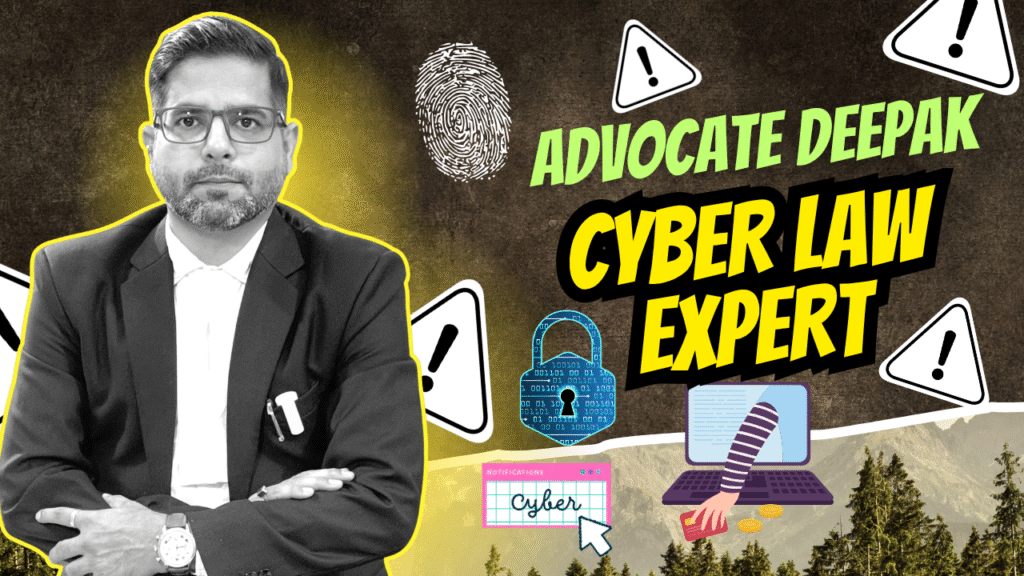
Best Cyber Crime Lawyer in Noida (+91 73030 72764) Call Now
Best Cyber Crime Lawyer in Noida, Gautam Buddh Nagar – Advocate Deepak (+91 73030 72764) Call Now If you’re facing cybercrime issues in Noida, Gautam Buddh Nagar, it’s essential to seek the assistance of an experienced and skilled lawyer who specializes in cyber law. Advocate Deepak is a top choice in the region, known for his expertise in handling complex cybercrime cases. Why Choose Advocate Deepak? Advocate Deepak has a proven track record in dealing with a wide range of cybercrime cases, including: Online Fraud: Whether it’s phishing scams, credit card fraud, or online transaction fraud, Advocate Deepak has successfully defended and represented clients in these matters. Hacking and Data Breaches: He is well-versed in cases involving unauthorized access to computer systems, data theft, and breaches of confidential information. Identity Theft: Advocate Deepak has extensive experience in cases where personal information has been stolen and misused for fraudulent purposes. Cyberbullying and Online Harassment: He has helped numerous clients who have been victims of online harassment, ensuring they receive justice and protection. Ransomware and Malware Attacks: Advocate Deepak has handled cases where businesses and individuals have been targeted by ransomware, ensuring the best legal outcomes. Comprehensive Legal Services Advocate Deepak provides comprehensive legal services in the field of cyber law, including: Legal Consultation: Offering expert advice on how to proceed with your case and the legal remedies available. Case Filing and Representation: He will guide you through the process of filing a case and represent you in court, ensuring that your rights are protected. Digital Evidence Handling: With a deep understanding of digital forensics, Advocate Deepak is skilled in collecting, analyzing, and presenting digital evidence in court. Preventive Legal Measures: Beyond just reactive measures, he offers guidance on how to protect yourself or your business from future cyber threats. Contact Advocate Deepak Today If you need expert legal assistance for any cybercrime-related issue, do not hesitate to contact Advocate Deepak. His expertise in cyber law, combined with his commitment to his clients, makes him the go-to lawyer for anyone facing cyber threats in Noida, Gautam Buddh Nagar. Call Now: +91 73030 72764 Don’t wait until it’s too late—secure the best legal representation today to protect yourself from the ever-growing threat of cybercrime. What is Cybercrime and How Can You Stay Safe? In the modern digital age, cybercrime has emerged as a significant threat to individuals, businesses, and governments alike. With the rapid advancement of technology and the increasing reliance on the internet for communication, commerce, and entertainment, cybercriminals have found new avenues to exploit vulnerabilities and perpetrate crimes. Understanding what cybercrime is and how you can protect yourself from it is essential for safeguarding your personal and professional life. What is Cybercrime? Cybercrime refers to any criminal activity that involves a computer, network, or digital device. Unlike traditional crimes, which typically occur in the physical world, cybercrimes are committed in the virtual environment, making them challenging to detect, investigate, and prosecute. Cybercriminals use the anonymity of the internet to carry out their illegal activities, which can range from minor offenses to major crimes with global implications. Types of Cybercrime Cybercrime encompasses a wide array of illegal activities, including but not limited to: Hacking: Unauthorized access to computer systems, networks, or devices to steal, manipulate, or destroy data. Phishing: Fraudulent attempts to obtain sensitive information such as usernames, passwords, and credit card details by disguising as a trustworthy entity in electronic communication. Identity Theft: Stealing personal information such as Social Security numbers, bank account details, or credit card information to commit fraud or other crimes. Online Fraud: Deceptive practices carried out over the internet, including auction fraud, online retail fraud, and financial scams. Ransomware: A type of malicious software that encrypts the victim’s data and demands a ransom for the decryption key. Malware: Malicious software designed to damage, disrupt, or gain unauthorized access to a computer system. Cyberbullying: The use of digital platforms to harass, threaten, or humiliate others. Child Exploitation: The distribution and possession of child pornography, as well as grooming minors for sexual exploitation. Denial of Service (DoS) Attacks: Overloading a system, network, or website with traffic to make it inaccessible to its intended users. Cyber Espionage: Unauthorized access to confidential information for political, military, or financial gain. Impact of Cybercrime The consequences of cybercrime can be devastating, affecting individuals, businesses, and even national security. Some of the impacts include: Financial Loss: Victims can lose significant amounts of money through fraud, identity theft, and ransomware attacks. Reputation Damage: Businesses that fall victim to cybercrime may suffer from a loss of customer trust and a damaged reputation. Emotional and Psychological Harm: Victims of cyberbullying, harassment, or identity theft often experience stress, anxiety, and fear. Legal Consequences: Companies may face legal actions for failing to protect customer data or for breaches of privacy laws. National Security Threats: Cyber espionage and attacks on critical infrastructure can pose serious threats to national security. How to Protect Yourself from Cybercrime Given the pervasive nature of cybercrime, it is crucial to adopt a proactive approach to safeguarding yourself online. Here are some effective strategies to protect yourself from cybercriminals: 1. Use Strong and Unique Passwords One of the simplest yet most effective ways to protect yourself online is to use strong and unique passwords for each of your accounts. A strong password should include a combination of letters (both upper and lower case), numbers, and special characters. Avoid using easily guessable information such as birthdays, names, or common words. Consider using a password manager to generate and store complex passwords securely. 2. Enable Two-Factor Authentication (2FA) Two-factor authentication adds an extra layer of security to your accounts by requiring a second form of verification in addition to your password. This could be a code sent to your mobile device, a fingerprint scan, or facial recognition. Enabling 2FA makes it significantly harder for cybercriminals to gain access to your accounts, even if they have your password. 3. Keep Your Software and Devices Updated Cybercriminals often
Best Cyber Crime Lawyer in Noida (+91 73030 72764) Call Now Read More »