Author name: admin

Can I Get My Refund Back from Cyber Crime?

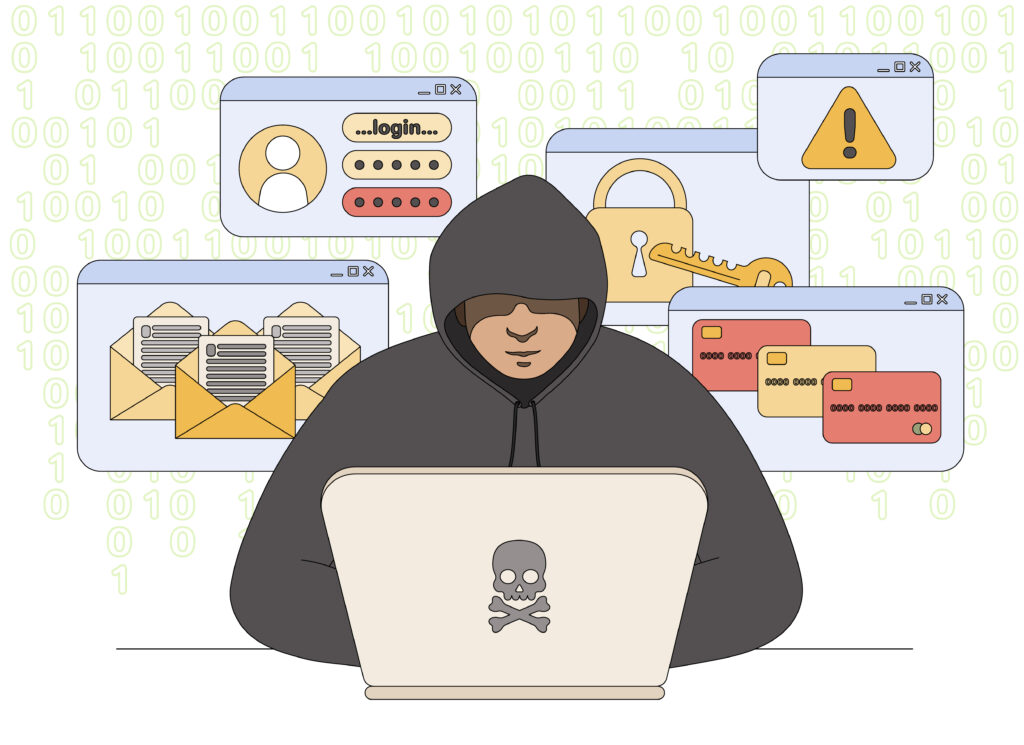
Can I Get My Refund Back from Cyber Crime? In today’s digital age, the internet has revolutionized the way we conduct transactions, communicate, and manage our daily lives. However, with the convenience of online services comes the dark side: cyber crime. Cyber crime can affect anyone, leaving individuals and businesses vulnerable to significant financial losses. If you’ve been a victim of cyber crime, you might be asking, “Can I get my refund back from cyber crime?” In this blog, we’ll explore this pressing question and delve into the world of cyber crime with insights from Advocate Deepak. Understanding Cyber Crime Before we address the question of refunds, it’s crucial to understand what cyber crime entails. Cyber crime refers to criminal activities that involve computers and networks. These activities can range from identity theft, phishing scams, and online fraud to ransomware attacks and data breaches. Cyber criminals use various techniques to exploit vulnerabilities in digital systems, often leaving victims unsure of their next steps. Types of Cyber Crime Identity Theft: This involves stealing personal information, such as social security numbers or bank account details, to commit fraud. Victims often face significant hurdles in recovering their stolen identity. Phishing Scams: Cyber criminals send deceptive emails or messages to trick individuals into providing sensitive information. These scams can lead to unauthorized access to bank accounts and online services. Online Fraud: This encompasses various fraudulent activities, including fake online stores, auction fraud, and investment scams. Victims of online fraud often lose money without any recourse. Ransomware Attacks: In these attacks, malware encrypts a victim’s files, and the attacker demands a ransom for the decryption key. These situations can be devastating for both individuals and businesses. Data Breaches: When a company’s database is compromised, sensitive information can be exposed, leading to identity theft and financial loss for affected individuals. The Refund Dilemma If you’ve fallen victim to a cyber crime, the financial implications can be severe. The question that often arises is whether it’s possible to get your refund back. The answer isn’t straightforward and depends on several factors: 1. Nature of the Crime The type of cyber crime committed significantly influences your chances of getting a refund. For example: Credit Card Fraud: Most credit card companies have policies that protect consumers against fraudulent charges. If you report the fraud promptly, you may be able to recover your lost funds. Phishing Scams: If you provided your banking information to a scammer, recovering your funds can be more complicated. Reporting the incident to your bank is crucial, but recovery isn’t guaranteed. Online Purchases: If you were scammed while shopping online, the refund process will depend on the seller’s policies. If you can prove that the transaction was fraudulent, your payment provider might help you dispute the charge. 2. Prompt Reporting Timing is crucial when dealing with cyber crime. Most financial institutions and service providers have specific time frames within which you must report unauthorized transactions. Failing to report the crime promptly could jeopardize your chances of getting your money back. Advocate Deepak emphasizes the importance of acting quickly: “Report the incident to your bank or credit card provider as soon as you suspect fraud. The sooner you act, the higher your chances of recovery.” 3. Evidence Collection Gathering evidence is essential for proving that you were a victim of cyber crime. This can include: Screenshots of communications with the scammer. Bank statements showing unauthorized transactions. Emails or messages from phishing attempts. Having comprehensive documentation will bolster your case when you report the crime to authorities or your financial institution. 4. Legal Recourse If you’ve exhausted all avenues for recovering your funds and believe you have a strong case, legal action may be an option. Consulting with a legal expert like Advocate Deepak can provide clarity on your options. He advises: “Depending on the specifics of your case, you might consider filing a complaint with law enforcement or pursuing civil action against the perpetrator. Legal recourse can be a lengthy process, but it’s worth exploring.” Steps to Take After a Cyber Crime Incident If you find yourself a victim of cyber crime, follow these steps to protect yourself and improve your chances of recovery: 1. Report the Incident Immediately report the crime to your bank or credit card provider. Many institutions have dedicated fraud departments to assist victims. 2. Change Your Passwords If you suspect that your accounts have been compromised, change your passwords immediately. Use strong, unique passwords for each account. 3. Monitor Your Accounts Keep a close eye on your bank statements and online accounts for any unauthorized transactions. Report suspicious activity to your financial institution without delay. 4. File a Report with Authorities Depending on the severity of the crime, consider filing a report with local law enforcement. You can also report cyber crime to the Internet Crime Complaint Center (IC3) or your country’s cyber crime unit. 5. Seek Legal Advice If the situation warrants it, consult with a legal expert to explore your options for recovery and any potential legal action against the perpetrator. Preventing Future Cyber Crimes Prevention is always better than cure. While you can take steps to recover from a cyber crime, it’s essential to implement measures to protect yourself from future incidents: 1. Educate Yourself Stay informed about common cyber crime tactics. Knowledge is your best defense against becoming a victim. 2. Use Two-Factor Authentication Enable two-factor authentication on your accounts to add an extra layer of security. This makes it more challenging for cyber criminals to gain access. 3. Regularly Update Software Keep your software, operating systems, and applications up to date. Regular updates often include security patches that protect against vulnerabilities. 4. Use Secure Connections Avoid using public Wi-Fi for sensitive transactions. Instead, use a secure, private connection whenever possible. 5. Review Your Accounts Regularly Regularly reviewing your financial accounts can help you spot any unusual activity before it escalates. Cyber crime is a pervasive issue that can lead to significant financial losses. If you find

Can I Get My Refund Back from Cyber Crime? Read More »

Top Cyber Crime Lawyer in Chennai

Cyber Crime Lawyer in Omicron 3 Greater Noida

Cyber Crime Lawyer in Omicron 3 Greater Noida Advocate Deepak Call Now for a Consultation: +91-730-307-2764 In today’s digitally driven world, cybercrime is an ever-growing concern. With the increasing reliance on the internet for personal and business activities, individuals and organizations in Omicron 3 Greater Noida are facing various risks posed by cybercriminals. Cybercrime can take many forms, including hacking, phishing, identity theft, and online fraud, and these malicious activities can lead to significant financial losses, data breaches, and damage to one’s reputation. In such a scenario, the need for a competent and skilled cyber crime lawyer in Omicron 3 Greater Noida cannot be overstated. Advocate Deepak, an expert in cyber law, provides invaluable legal support to individuals and businesses facing cybercrime issues. With a deep understanding of cyber laws in India, including the Information Technology Act, 2000, Advocate Deepak helps his clients navigate complex cybercrime cases and ensures justice is served. This blog will explore the concept of cybercrime, the different types of cybercrime, the role of a cybercrime lawyer, and practical safety tips to protect yourself from online threats. What is Cybercrime? Cybercrime refers to illegal activities that are conducted through digital means, such as computers, networks, or the internet. These crimes can range from simple email scams to more sophisticated attacks on government institutions or corporate entities. The primary motive of cybercriminals is often financial gain, but cybercrime can also involve data theft, intellectual property violations, and other malicious intentions. Cybercrime is a pressing issue not only in India but also globally. The rapid advancement of technology has provided cybercriminals with new opportunities to exploit vulnerabilities. Individuals, businesses, and even government organizations are all potential targets. Whether it’s personal information, financial data, or confidential business information, everything is at risk if the necessary security measures are not in place. Types of Cybercrime Cybercrime comes in various forms, and each type poses unique risks to victims. Below are some of the most common types of cybercrime: 1. Hacking Hacking involves unauthorized access to computer systems or networks to steal, alter, or destroy data. Hackers often exploit security flaws in software or hardware to gain access to sensitive information, which they can then use for malicious purposes. 2. Phishing Phishing is a form of online fraud where cybercriminals trick victims into providing personal or financial information through deceptive emails or websites. These emails often appear to be from legitimate sources, such as banks or service providers, but they are designed to steal information. 3. Identity Theft Identity theft occurs when someone uses another person’s personal information, such as their name, credit card number, or social security number, to commit fraud. This can lead to significant financial losses and damage to the victim’s credit rating. 4. Ransomware Ransomware is a type of malware that encrypts the victim’s data and demands a ransom for the decryption key. This form of attack can be particularly devastating for businesses, as it can disrupt operations and result in the loss of important data. 5. Online Fraud Online fraud encompasses a wide range of activities, including credit card fraud, fake online shopping sites, and fraudulent investment schemes. Victims are often lured by promises of quick profits or fake product deals, only to realize they have been scammed. 6. Cyberstalking Cyberstalking involves using the internet to harass or intimidate someone. This can include sending threatening messages, spreading false information, or monitoring someone’s online activity without their knowledge or consent. 7. Malware Attacks Malware is malicious software designed to damage or disrupt computer systems. This includes viruses, worms, Trojans, and spyware. Cybercriminals use malware to steal data, monitor user activity, or even take control of a system. 8. Denial of Service (DoS) Attacks DoS attacks overwhelm a server or network with excessive traffic, making it unavailable to legitimate users. This type of attack is often used to disrupt businesses, government services, or critical infrastructure. 9. Financial Cybercrime Financial cybercrime targets banks, financial institutions, or individuals for monetary gain. This can include unauthorized transactions, fraudulent investments, or Ponzi schemes designed to steal money from victims. 10. Cyberbullying Cyberbullying is the use of digital platforms to harass, threaten, or harm individuals, particularly on social media. Victims of cyberbullying often experience emotional distress and psychological harm. The Role of a Cyber Crime Lawyer When a cybercrime occurs, the complexities of digital evidence, jurisdictional challenges, and legal procedures make it essential to have the guidance of a skilled cyber crime lawyer in Omicron 3 Greater Noida. Advocate Deepak is well-versed in cyber laws and has the experience necessary to handle even the most intricate cybercrime cases. 1. Understanding Cyber Laws India’s legal framework for cybercrime is primarily governed by the Information Technology Act, 2000, along with various sections of the Indian Penal Code (IPC). Advocate Deepak’s in-depth understanding of these laws allows him to offer specialized legal services, ensuring that clients receive proper legal representation. 2. Filing Complaints One of the first steps in addressing a cybercrime is filing a complaint with the police or the Cyber Crime Cell. Advocate Deepak assists clients in drafting and submitting complaints, ensuring that all necessary information is included for a thorough investigation. He also helps gather digital evidence to strengthen the case. 3. Legal Representation in Court Cybercrime cases often lead to litigation, and having a lawyer like Advocate Deepak on your side is crucial. He provides expert legal representation in both civil and criminal courts, ensuring that victims receive compensation for their losses and that cybercriminals are brought to justice. 4. Defense Against Allegations In some instances, individuals or businesses may find themselves falsely accused of cybercrime. Advocate Deepak provides a robust defense for clients facing such allegations, leveraging his knowledge of cyber laws and legal procedures to ensure a fair trial. 5. Preventive Legal Advice In addition to helping clients deal with cybercrime after it occurs, Advocate Deepak also offers preventive legal advice. He assists businesses in creating cybersecurity policies and helps them stay compliant with data protection laws. By taking

Cyber Crime Lawyer in Omicron 3 Greater Noida Read More »

Scroll to Top